
On this page9 sections
Late payment is not bad luck. For UK sole traders, it is a structural problem baked into how most of us send invoices, and the right e-invoicing software is one of the few tools that genuinely changes the outcome.
Most guides to e-invoicing software spend their energy listing features: recurring invoices, VAT calculations, PDF exports. That is useful up to a point. But it skips the question that actually matters to a plumber, electrician, or freelance designer who is owed £3,000 by a client who has gone quiet: does this software help me get paid faster, or does it just make my paperwork look nicer?
This post answers that question directly, with numbers.
- E-Invoicing Software
- Digital tools that create, send, track, and store invoices electronically, replacing paper or PDF-by-email workflows. In the UK context, they increasingly overlap with Making Tax Digital (MTD) compliance requirements, which will mandate digital record-keeping for sole traders earning above £50,000 from April 2026.
The Late Payment Crisis Nobody Is Fixing Fast Enough
The Federation of Small Businesses reported in 2023 that late payment contributes to the closure of around 50,000 UK small businesses every year. That is not a rounding error. It is a structural failure of how commercial transactions work between large clients and small suppliers.
For a sole trader turning over £60,000, a single invoice sitting unpaid at 60 days is not an inconvenience. It is a cash flow crisis. Rent, materials, fuel, insurance: none of those creditors wait for your client to process the paperwork.
50,000
UK small businesses close annually partly due to late payment (FSB, 2023)
38 days
average late payment delay beyond agreed terms for UK sole traders
£684
average value lost per overdue invoice in admin, chasing costs, and financing fees
Here is where e-invoicing software enters the picture, and where most reviews miss the point entirely. The feature that matters most is not the invoice template. It is the delivery confirmation, the automated reminder sequence, and the embedded payment link that lets a client pay in under two minutes on a mobile phone.
A PDF sent by email has none of those things. You do not know if it was opened. You do not know if it reached the right accounts payable contact. You have no audit trail. And when you eventually chase, you are starting the conversation cold.
What "E-Invoicing" Actually Means in 2025
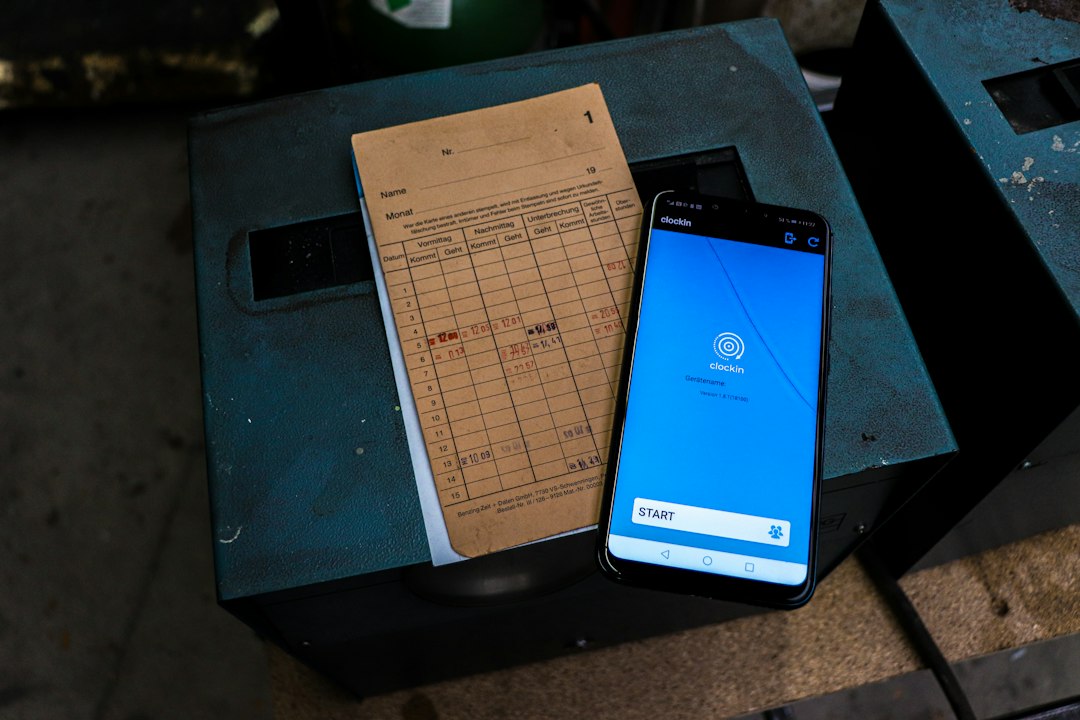
The term is used loosely, so it is worth being precise. There are broadly three tiers of what people call e-invoicing software:
Tier one: digital invoice creation
This is the most basic level: software that produces an invoice as a PDF or HTML document and emails it to the client. Better than Word, barely. You still have no read receipts, no payment data, and no MTD-ready records unless the software also stores the transaction.
Tier two: tracked delivery with payment integration
Software at this level sends the invoice through a portal or direct link, logs when the client opened it, and allows payment by card, bank transfer, or direct debit from within the same interface. This is where the late payment problem starts to get solved. Friction is the enemy of prompt payment; removing it works.
Tier three: invoicing integrated with tax compliance
The highest-value tier for a sole trader heading into the MTD era. The invoice is created, sent, tracked, and automatically categorised as income in your digital records, ready for quarterly submission to HMRC. No double-entry. No reconciliation headache. One workflow, two outcomes.
The overlap between invoicing and MTD compliance is not incidental. HMRC's Making Tax Digital for Income Tax rules, which apply from April 2026 to those earning above £50,000 (dropping to £30,000 in April 2027), require digital records of all income and expenses. Every invoice you raise is, by definition, an income record. Keeping those two systems separate creates unnecessary work.
If you want to understand what MTD will actually require of your invoicing records, the post Electronic Invoicing Software: What MTD Actually Requires covers the compliance angle in detail.
The Features That Actually Shorten Payment Cycles
Strip away the marketing and you are left with a short list of features that have demonstrable impact on how quickly sole traders get paid.
Read receipts and open tracking
Knowing when your invoice was opened changes the dynamic of every chasing conversation. "I can see it was delivered on Tuesday" is not aggressive; it is factual. Most clients respond better to that than to a vague "just checking you received my invoice."
Automated payment reminders
Setting a reminder sequence (say, three days before due, on the due date, three days after) removes the emotional labour of chasing. It is not you being difficult. It is software doing its job. Several studies suggest automated reminders reduce average payment time by 11 to 14 days compared to manual follow-up.
Embedded payment links
The single most underrated feature in e-invoicing software. A client who can click a link and pay by card in 90 seconds is infinitely more likely to do so today than one who needs to log into online banking, find your sort code and account number, and type a reference correctly. Payment friction is real, and it costs you money.
Mobile-optimised invoices
A significant proportion of invoice recipients open email on a phone. If your invoice requires downloading a PDF, zooming into a desktop layout, and manually copying bank details, you have already lost the battle. Invoices that render cleanly on mobile and include a tappable payment button convert faster.
Automatic income categorisation
For sole traders managing their own bookkeeping, every invoice that auto-populates your income records is time saved and an error avoided. This matters doubly under MTD, where your quarterly submissions must reflect accurate, categorised figures. Software that handles both invoicing and record-keeping in one place, like TapTax, removes the need to transfer data between systems manually.
Where Most Sole Traders Go Wrong When Choosing Software
The most common mistake is optimising for invoice design rather than payment outcomes. A beautifully branded invoice that arrives as a PDF attachment and takes three minutes to pay is worse, in cash flow terms, than a plain invoice that arrives in a client portal with a one-click payment button.
The second mistake is treating invoicing and bookkeeping as separate problems requiring separate software. If you are currently using one tool to send invoices and another to track income, you are doing data entry twice, or you are letting things slip through. Either outcome costs you money or compliance risk under MTD.
The third mistake, increasingly common as the MTD deadline approaches, is choosing software that handles invoicing beautifully but has no MTD submission capability. You will need to bridge that gap eventually. Switching software mid-year is painful; the post Self Employed Bookkeeping Software: The Switching Cost Nobody Warns You About is worth reading before you commit to anything.
April 2026
MTD for Income Tax mandatory for sole traders earning above £50,000
5 submissions
required per tax year under MTD: four quarterly updates plus one final declaration
£200+
estimated annual cost of popular MTD-compliant software packages
The Honest Trade-off: Cost vs Capability

E-invoicing software for sole traders ranges from free (with meaningful limitations) to around £40 per month for full-featured packages from the established players. Here is what that spectrum actually looks like in practice.
Free or low-cost tools
Wave, Invoice Ninja, and similar tools produce professional invoices and handle basic tracking. They are adequate for sole traders with simple needs and clients who pay reliably. They rarely offer MTD submission capability, which means you will need to run a second system from April 2026 if you earn above the threshold.
Mid-tier tools (£10 to £20 per month)
This range includes tools that combine invoicing with basic bookkeeping, expense tracking, and in some cases MTD-ready records. TapTax sits in this tier, designed specifically for sole traders who want MTD compliance without the complexity or cost of enterprise accounting software. You can import bank statements by CSV (with presets for 16 UK banks) or add transactions manually; direct bank connection is on the roadmap. The focus is on quarterly MTD submissions, income categorisation, and simplicity rather than corporate feature bloat.
Enterprise tools (£25 to £50 per month)
QuickBooks, Xero, and FreeAgent offer the full spectrum of features: bank feeds, payroll integration, multi-currency invoicing, detailed reporting. For a sole trader earning £60,000 with straightforward income, most of that functionality is unused overhead. You are paying for a Ferrari to drive to the shops. If you are genuinely curious about how these tools compare on design and usability, Best Accounting Software for Self-Employed: The Design Test runs through the experience honestly.
What Clients Now Expect From Your Invoices
Expectations have shifted, particularly among larger clients and public sector buyers. The European Union mandated e-invoicing for B2G (business to government) transactions in 2019, and several EU member states have extended that to B2B. The UK has been consulting on similar measures, and while mandatory e-invoicing for all transactions is not yet confirmed, the direction of travel is clear.
Practically, this means more of your clients, particularly limited companies and those with formal procurement processes, will expect invoices in structured digital formats rather than PDF attachments. Some will require specific reference numbers, purchase order matches, or delivery through supplier portals. Software that can accommodate those requirements without manual workarounds protects your relationships with better-paying clients.
For a deeper look at what clients are already starting to require, Electronic Invoicing: What Your Client Expects Now covers the shift in commercial expectations that is already underway.
People also ask
Does e-invoicing software actually help you get paid faster?
Evidence suggests yes, meaningfully so. Automated reminders reduce average payment delays by 11 to 14 days, and embedded payment links reduce friction at the point of payment. For sole traders where cash flow is tight, that difference is significant.
Do I need e-invoicing software for Making Tax Digital?
Not strictly, but the overlap is substantial. MTD requires digital income records for every transaction. If your e-invoicing software automatically categorises income when an invoice is raised, you are building your MTD records as part of your normal workflow rather than as a separate task.
What is the cheapest way to send e-invoices as a sole trader in the UK?
Free tools like Wave or Invoice Ninja handle basic e-invoicing at no cost. However, they typically lack MTD submission capability. For sole traders above the MTD threshold from April 2026, a combined invoicing and MTD tool will likely be cheaper overall than running two separate systems.
Will the UK make e-invoicing mandatory like the EU?
The UK government has consulted on mandatory e-invoicing but has not yet legislated for it. The Making Tax Digital programme effectively mandates digital income records, which overlaps significantly with e-invoicing requirements, but a formal e-invoicing mandate for all transactions remains under review as of 2025.
The MTD Angle You Cannot Afford to Ignore
From April 2026, every sole trader earning above £50,000 must keep digital records and submit quarterly updates to HMRC. From April 2027, that threshold drops to £30,000, pulling in a much larger share of the self-employed population.
Each quarterly submission requires a categorised summary of your income and expenses for the period. If your invoices are in one system and your bookkeeping is in another, that quarterly reconciliation becomes a manual exercise with real error risk. A figure mis-categorised, a payment missed, a credit note not accounted for: any of these can produce a submission that does not match your actual tax position, creating problems at year-end that are expensive to unpick.
The simplest solution is software that treats an issued invoice as an income record from the moment it is created, updates when payment is received, and feeds directly into your quarterly MTD summary. That is not a hypothetical product. It is what purpose-built sole trader tools are designed to do.
If you are not sure where you stand on MTD readiness, the TapTax tax calculator is a useful starting point for understanding your likely tax position before you commit to a compliance workflow.
The Question to Ask Before You Buy

Before signing up for any e-invoicing software, ask one question: does this tool reduce the number of days between invoice sent and money in my account? If the vendor cannot answer that concretely, with data or a clear explanation of the features that drive faster payment, you are buying a PDF prettifier.
The late payment problem is real and it costs UK sole traders measurably: in admin time, in financing costs when you bridge cash flow gaps, and in the stress of chasing clients who should have paid three weeks ago. The right e-invoicing software does not eliminate that problem entirely, but it removes most of the avoidable friction on both sides of the transaction.
That is worth considerably more than a choice of font on your invoice template.
File your MTD quarterly updates in minutes
TapTax imports your bank statements, categorises expenses automatically, and submits to HMRC with a tap. Free plan, no card required.
Start freeFrequently asked questions
How does e-invoicing software reduce late payments for sole traders?
E-invoicing software reduces late payments by sending invoices through tracked portals rather than email attachments, automating payment reminders before and after due dates, and embedding one-click payment links that remove friction for the client. Studies suggest these features reduce average payment delays by 11 to 14 days compared to manual PDF invoicing.
Can e-invoicing software handle MTD quarterly submissions as well?
Some e-invoicing tools, particularly those designed for sole traders like TapTax, combine invoice creation and income record-keeping in one place. This means each invoice you raise is automatically categorised as income, feeding directly into the quarterly MTD summary you must submit to HMRC from April 2026 without manual data transfer.
Is free e-invoicing software good enough for a sole trader earning £60,000?
Free tools handle basic invoice creation adequately, but almost none offer MTD for Income Tax submission capability. A sole trader earning £60,000 will be required to comply with MTD from April 2026, meaning a free invoicing tool will need to be supplemented by a second system unless you switch to a combined solution before the deadline.
What is the difference between e-invoicing and sending a PDF invoice by email?
A PDF emailed to a client provides no delivery confirmation, no read receipt, and no integrated payment option. E-invoicing software sends invoices through tracked links or portals, confirms when the invoice is opened, automates payment reminders, and typically includes an embedded payment link. This combination meaningfully shortens the time between invoice sent and payment received.
Will the UK make e-invoicing mandatory for sole traders?
The UK government has consulted on mandatory e-invoicing but has not yet legislated for it as of 2025. However, Making Tax Digital for Income Tax, mandatory from April 2026 for those earning above £50,000, effectively requires digital income records for every transaction, which overlaps significantly with e-invoicing workflows.