
On this page9 sections
Your client rings at 7pm. They've just opened an email from HMRC about Making Tax Digital and they want to know what to do. You know the answer. What you may not have considered is whether the software you're about to recommend serves them, or serves your practice.
The market for MTD software for accountants is growing fast, and the incentives baked into it deserve scrutiny. Most referral programmes, partner tiers, and reseller margins are invisible to the sole trader sitting across the desk. That does not make them wrong. But it does mean that when you recommend software, the question "best for whom?" is worth asking.
The Conflict Hidden in the Partner Programme
Every major MTD software vendor runs an accountant partner programme. QuickBooks ProAdvisor, Xero Partner, Sage Accountant Club, FreeAgent reseller arrangements. The structure varies but the logic is consistent: the more clients you migrate onto the platform, the better your discount, your commission, or your support tier.
None of this is illegal. Some of it is genuinely useful: volume discounts passed to clients, priority support lines, better training resources. But it creates a gravitational pull. When a sole trader asks their accountant which software to use for MTD, the answer is rarely a neutral survey of the market. It is, more often, whatever the practice already uses or already earns margin on.
For a sole trader turning over £55,000 as an electrician or a self-employed painter, the difference between a £35-per-month subscription and a £12-per-month subscription is £276 per year. Over the three years between the April 2026 MTD launch and when the policy reaches £20,000 earners (currently unscheduled), that is over £800 in software fees for the same compliance outcome.
£50,000
income threshold for MTD ITSA from April 2026
£30,000
threshold from April 2027, pulling in more sole traders
£276
typical annual saving by switching from premium to specialist MTD apps
What MTD for Income Tax Actually Requires of Software

Before recommending anything, it helps to be precise about what compliance actually demands. Making Tax Digital for Income Tax Self Assessment (MTD ITSA) requires:
- Digital record-keeping of income and expenses
- Four quarterly submissions to HMRC each tax year (April to April)
- A final declaration (the end-of-period statement, replacing the Self Assessment return)
- Bridging or native API connection to HMRC's systems
It does not require:
- Cloud-based invoicing
- Payroll integration
- Project management
- CRM functions
- Bank feeds (though these are commonly offered as a convenience)
This matters enormously for accountants advising clients. A sole trader plumber who invoices five clients per month, pays for materials and fuel, and earns £62,000 per year does not need Xero. They need a tool that categorises income and expenses accurately, holds a digital record, and submits quarterly summaries to HMRC. That is a meaningfully smaller ask than the feature list most partner-programme software leads with.
- MTD ITSA
- Making Tax Digital for Income Tax Self Assessment. HMRC's policy requiring sole traders and landlords above income thresholds to keep digital records and submit quarterly updates via compatible software, replacing the annual Self Assessment return.
The Practice Management Integration Trap
Accountants often frame software recommendations around what integrates best with their own practice management system. This is rational from a workflow perspective. If your practice runs on Xero Workpapers or QuickBooks Accountant, it genuinely is easier if all your clients are on the same ecosystem.
But the integration benefit accrues almost entirely to the practice, not the client. The client is paying a monthly fee for software features they will never use, in exchange for making your year-end process slightly smoother. When you explain this to a sole trader earning £58,000 who is already watching their margins, they tend to find it an unsatisfying deal.
A better framing for the accountant-client MTD conversation is to separate two questions:
- What software does the client need to be MTD compliant?
- How does that software share data with your practice?
The answer to question one should drive the recommendation. The answer to question two is a constraint to work around, not a reason to override question one.
Many specialist MTD apps now offer accountant portals or CSV exports that slot into practice workflows without requiring the client to pay for a full accounting suite. It is worth knowing which ones before the conversation starts.
What a Sole Trader Client Actually Does With the Software
Let us make this concrete. Take Sarah, a self-employed bookkeeper (irony acknowledged) who earns £67,000 per year through a mix of regular clients and ad hoc projects. She is not VAT-registered. She invoices directly from her phone, tracks expenses in a spreadsheet, and files her Self Assessment herself every January.
From April 2026, Sarah must:
- Keep digital records of every income and expense transaction
- Submit four quarterly summaries to HMRC (July, October, January, April)
- File a final declaration after the tax year ends
What Sarah does not need: project tracking, multi-currency, payroll, stock management, or a client portal. She needs something that takes her bank statement, categorises transactions, and sends the quarterly summary to HMRC without requiring a two-hour training session.
An accountant recommending Xero Business or QuickBooks Self-Employed Plus to Sarah is recommending software that starts at £16 to £30 per month and includes features she will never open. A purpose-built MTD app that handles quarterly submissions, expense categorisation, and a final declaration at a lower price point gives Sarah the same compliance outcome for considerably less.
If Sarah's accountant checks her final declaration before submission, the relevant question is: can they access what they need from the specialist app's export? For almost every practice management system, the answer is yes.
How to Evaluate MTD Software on the Client's Terms

When assessing MTD software for accountants to recommend to sole trader clients, four criteria matter more than the vendor's partner programme tier:
1. HMRC Recognition for MTD ITSA
The software must appear on HMRC's list of compatible software for MTD for Income Tax, not just MTD for VAT. These are separate lists and separate API connections. Several tools that are MTD VAT compliant are not yet MTD ITSA compliant. As of 2025, HMRC's MTD ITSA pilot is live and expanding; the compatible software list is the authoritative source. HMRC has two compatibility lists, and the distinction matters.
2. Ease of Bank Statement Import
For sole traders who do not want to grant third-party apps access to their bank accounts, CSV import is the practical default. A good MTD tool should support CSV uploads from the major UK banks with sensible column mapping, ideally with presets for common bank formats. The friction of importing a monthly statement should be measured in minutes, not hours.
3. Quarterly Submission Clarity
The four quarterly deadlines under MTD ITSA are not identical to VAT quarters. They run to fixed HMRC dates regardless of when the client's accounting year ends. Software should make these deadlines obvious, send reminders, and show the client exactly what is being submitted before it goes. A sole trader who does not understand their quarterly summary is a client who will ring you in a panic at 9pm on 31 July.
4. Price Proportionate to Use
A sole trader who logs forty transactions per month is not getting forty times the value from a £40/month subscription compared to a £10/month one. If the additional features are ones the client will never use, the price difference is a subsidy from the client to the software vendor, and indirectly to the practice's partner tier.
5 million+
sole traders and landlords expected to enter MTD ITSA by 2027
4
quarterly submissions required per tax year under MTD ITSA
£400
estimated first-year software cost on mid-tier platforms vs £120-£150 on specialist apps
The Accountant's Honest Conversation
None of this is an argument for accountants to stop recommending software. The opposite, in fact. Sole traders arriving in April 2026 with no MTD strategy, no software, and no understanding of quarterly submissions are going to cost practices enormous amounts of remedial time. Getting clients set up early, on the right tool, is genuinely good client service.
The honest version of that conversation includes:
- Disclosing whether the recommended software earns the practice a referral fee or margin
- Explaining what MTD actually requires so the client can assess whether premium features are relevant to them
- Acknowledging that the cheapest compliant option may be one the practice does not use internally
- Offering to work with data exports from specialist apps rather than requiring clients onto a particular platform
This kind of transparency builds the trust that retains clients for the long term. A sole trader who feels they were steered towards expensive software they did not need is not a client who sends referrals.
What Purpose-Built MTD Apps Offer That Suites Do Not
Purpose-built MTD apps for sole traders have one design constraint that full accounting suites do not: every feature must justify its presence in a workflow that a non-accountant runs largely alone. That constraint produces software that is, in many cases, considerably easier to use.
TapTax, for example, is built specifically for sole traders navigating MTD compliance. It handles quarterly submissions, expense categorisation, and the final declaration without the feature bloat of platforms designed for multi-user business accounting. CSV import is available for 16 UK banks on every plan, with manual entry as an alternative. There is no upsell into payroll or stock management, because a sole trader plumber does not need payroll or stock management.
For accountants advising clients who fit the MTD ITSA profile (sole traders, unincorporated landlords, single-person businesses), recommending a purpose-built tool alongside a clear explanation of what it does and does not include is often a more defensible professional position than defaulting to whatever the practice management system prefers.
As covered in Make Tax Digital Software Does Three Things. Most Do Only Two., the gap between MTD compliance and full accounting software is real, and most sole traders only need the former.
The Deadline Is Not Far Away
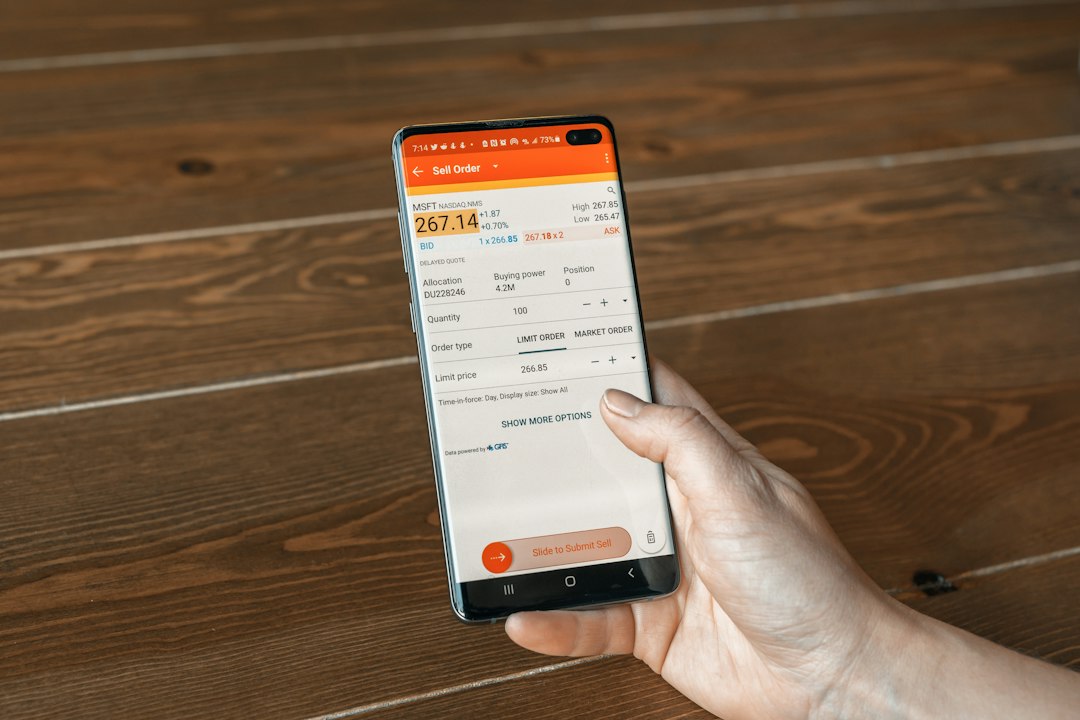
April 2026 is the first MTD ITSA deadline, catching sole traders and landlords with income over £50,000. April 2027 drops the threshold to £30,000. HMRC has delayed this policy several times already, but the current timetable has survived multiple fiscal statements and is widely expected to hold.
For accountants, that means the MTD software conversation with affected clients needs to happen in 2025, not the week before the first quarterly deadline. Clients who onboard onto compliant software six months before they are legally required to submit will arrive at April 2026 with clean digital records and some confidence in the quarterly process. Clients who are rushed into a platform in March 2026 will submit their first quarterly update incorrectly, ring their accountant, and generate a support call that should not have been necessary.
The software question is ultimately a client readiness question. The MTD software for accountants that genuinely serves clients is the one that makes the quarterly submission routine rather than stressful, regardless of which partner tier it sits in.
Your client called at 7pm because they were worried. The best answer is the one that means they do not have to call again.
People also ask
Can accountants file MTD submissions on behalf of clients?
Yes. Accountants can act as agents under HMRC's agent authorisation process and submit MTD quarterly updates on behalf of clients using compatible software. The client must still keep digital records throughout the year.
Do sole traders need their accountant to set up MTD software?
No, though it helps. Most MTD-compliant apps are designed for non-accountants to set up and use independently. An accountant's involvement is most valuable at the final declaration stage, which replaces the Self Assessment return.
What is the difference between MTD for VAT and MTD for Income Tax software?
They use different HMRC APIs and appear on separate compatibility lists. Software that is MTD VAT compliant is not automatically MTD ITSA compliant. Always check HMRC's MTD for Income Tax software list specifically before recommending a tool.
Can an accountant use one software platform for multiple MTD clients?
Most major MTD platforms offer accountant or agent dashboards that allow a single login to manage multiple clients. Purpose-built sole trader apps may offer simpler client-sharing or export options that work alongside practice management systems.
File your MTD quarterly updates in minutes
TapTax imports your bank statements, categorises expenses automatically, and submits to HMRC with a tap. Free plan, no card required.
Start freeFrequently asked questions
What should accountants look for in MTD software for sole trader clients?
Accountants should prioritise HMRC recognition on the MTD ITSA compatibility list, ease of bank statement import, clear quarterly deadline prompts, and pricing proportionate to the client's actual needs. Full accounting suites are often unnecessary for sole traders who only need quarterly submission and digital record-keeping.
Are accountant partner programmes for MTD software a conflict of interest?
Not inherently, but they create a pull towards recommending software that benefits the practice rather than the client. Best practice is to disclose any referral arrangement and explain why the recommended software suits the client's specific workflow and budget.
Which sole traders are affected by MTD ITSA and from when?
Sole traders and landlords with qualifying income over £50,000 must comply from April 2026. The threshold drops to £30,000 from April 2027. A further extension to lower earners has not yet been formally scheduled.
Can accountants work with data from specialist MTD apps instead of full accounting suites?
Yes. Most specialist MTD apps offer CSV exports or accountant portals that can feed into practice management workflows. Requiring clients to use a specific platform purely for practice integration purposes may result in clients paying for features they do not need.
How many quarterly submissions does a sole trader need to make under MTD ITSA?
Four per tax year, running to fixed HMRC deadlines rather than the client's own accounting period. There is also a final declaration at the end of the year, which replaces the current Self Assessment return.