
Free Self Assessment Software: The Migration Problem
Free self assessment software works fine until MTD arrives in April 2026. Here is what switching mid-stream actually costs UK sole traders.
April 2026 is not a distant deadline anymore. If you are currently using free self assessment software to file your annual return, you have roughly one tax year left before that workflow becomes legally insufficient for most sole traders in the UK. The question is not whether free self assessment software has served you well. It probably has. The question is what happens to your records, your habits, and your sanity when the rules change underneath you.
- Free self assessment software covers your annual filing obligation but will not meet MTD for Income Tax requirements from April 2026 onwards.
- Sole traders with income over £50,000 face the first mandatory MTD wave; those over £30,000 follow in April 2027.
- Migrating records mid-year from a free tool to an MTD-compliant platform is harder than starting fresh, and most software vendors do not warn you about this.
- The real cost of free software is not in fees but in the migration friction when you outgrow it.
- TapTax is designed specifically for sole traders who want MTD compliance without paying for accountancy features they will never use.
Let us be precise about what free self assessment software actually does, because the term covers a wide range of tools with very different shelf lives.
- Self Assessment Software
- Digital tools that help UK taxpayers complete and submit their annual Self Assessment tax return (SA100 or SA103 for sole traders) to HMRC. Free versions typically cover basic income and expense entry, tax calculation, and direct submission via HMRC's API. They do not, in most cases, support the quarterly submission and digital record-keeping requirements of Making Tax Digital for Income Tax.
What Free Self Assessment Software Actually Does Well
Let us give credit where it is due. If you are a sole trader turning over £55,000 a year as an electrician or a freelance designer, a free self assessment tool has probably saved you several hundred pounds in accountancy fees over the years. You log in once a year, enter your income and allowable expenses, check the calculation, and submit. HMRC confirms receipt. Done.
That workflow is genuinely useful. HMRC's own free filing service, which allows direct submission through its basic online portal, handles tens of thousands of returns every January. Third-party free tools from providers like TaxCalc's free tier, GoSimpleTax's limited plan, and various others have built real audiences among self-employed people who have no interest in paying for software they use for three hours a year.
The problem is not the software. The problem is the policy that is about to make annual-only filing legally inadequate.
The Specific Migration Problem Nobody Warns You About
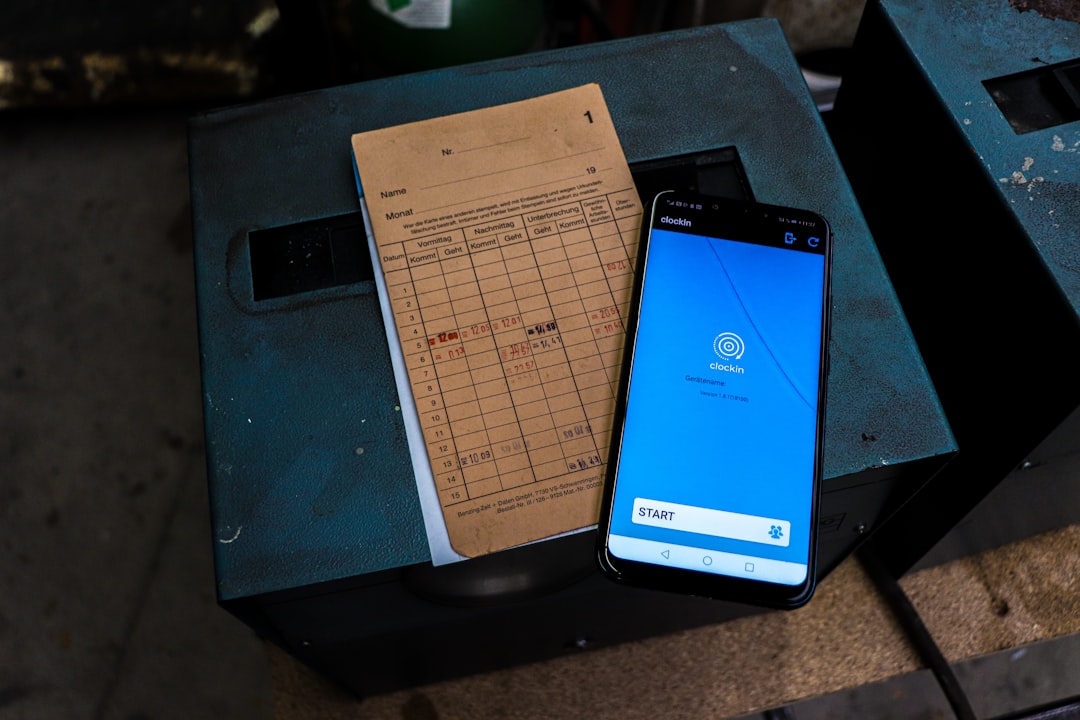
Here is the scenario that plays out for thousands of sole traders every year, and it will intensify as April 2026 approaches.
You have been using the same free self assessment software for four or five years. Your records are in there. Your expense categories are set up the way you like them. Your prior year figures are saved. Then you realise, probably in late 2025 when the HMRC letters arrive, that your free tool does not support quarterly MTD submissions. You need to switch.
This is where the real cost of free software appears. Not in the annual subscription you never paid, but in the data you cannot easily move.
Most free self assessment tools store your data in proprietary formats. Some allow CSV export; others offer nothing beyond a PDF of your completed return. If you want to import five years of expense history into a new MTD-compliant platform, you are likely doing it manually, row by row, or starting from a clean slate and accepting that your historical records live in a tool you can no longer meaningfully use.
For a plumber or carpenter who has meticulously categorised every tool purchase, fuel receipt, and material cost over several years, losing that continuity is genuinely disruptive. You may need to recheck prior claims, reconcile figures for an ongoing HMRC enquiry, or simply understand your own business trends. Locked data prevents all of that.
The Making Tax Digital Accounting Software: The Switching Cost Nobody Quotes post on this blog covers the broader switching cost argument in detail. But the free software version of this problem has a specific wrinkle: you are not just switching from one paid tool to another. You are transitioning from a tool that was designed for a once-a-year task to one that needs to become a year-round habit. That is a bigger behavioural shift than most vendors acknowledge in their marketing.
Why HMRC Did Not Build a Free MTD Tool
This is the question that deserves a direct answer, because it is the one most sole traders do not think to ask.
HMRC runs a free service for Self Assessment filing today. It is basic, but it works. When MTD for Income Tax was designed, the logical move would have been to extend that free service to cover quarterly submissions. HMRC chose not to do that. Instead, it mandated that taxpayers use third-party commercial software, approved from a list HMRC maintains.
The official justification is that building and maintaining a free government MTD tool at scale would be technically complex and expensive for HMRC. There is some truth in that. But it is worth noting that the commercial software industry, including major players like Sage, QuickBooks, and Xero, lobbied energetically for MTD and stands to gain millions of pounds in new subscription revenue as sole traders are legally compelled to adopt paid tools.
The Free Making Tax Digital Software: Who Bears the Risk? post examines the accountability gap in detail. The short version: the risk falls on sole traders who mistakenly believe their existing free annual tool will carry them through MTD, and on those who sign up for a free MTD tier only to find it expires or restricts features once they are mid-year and dependent on it.
For a sole trader earning £60,000 as a self-employed builder, the maths is straightforward. Four quarterly submissions per year, a final declaration, and digital record-keeping of every transaction. A free annual tool built for a one-shot January filing simply does not have the architecture to do that.
The Three Types of Sole Trader Searching for Free Self Assessment Software
Not everyone searching for free self assessment software is in the same situation. It is worth distinguishing between three groups, because the right advice differs for each.
Group One: Below the MTD Threshold
If your self-employment income is below £30,000, MTD for Income Tax will not be mandatory for you until at least April 2028, and the date may shift further. For now, free self assessment software remains a perfectly legitimate and sensible choice. HMRC's online portal or a low-cost third-party tool covers your legal obligation entirely. The annual return remains your filing format.
The only caveat: start thinking now about what tool you would migrate to when the threshold eventually catches you. Starting that research two years early is far less stressful than scrambling in November 2027.
Group Two: Between £30,000 and £50,000
You are in the April 2027 wave. That means you have roughly eighteen months to two years before MTD becomes mandatory. Free annual software still covers your current obligation, but you are close enough to the deadline that choosing an MTD-ready tool now and running it in parallel makes practical sense. Many MTD platforms will let you import or re-enter a year's worth of records before you go live on quarterly reporting, which is far easier than a mid-year emergency migration.
Group Three: Over £50,000
If your sole trader income exceeds £50,000, April 2026 is your MTD start date. Free self assessment software does not meet that requirement. You need an HMRC-recognised MTD for Income Tax tool, and you need to begin using it from the start of the 2026/27 tax year at the latest. Ideally you would start earlier in order to build the quarterly habit before it becomes a legal obligation.
The Tax App for Self Employed: What Changes After April 2026 post lays out the exact timeline and what each quarterly submission must contain.
People also ask
What to Look For When Free Is No Longer Enough

When the time comes to move beyond free self assessment software, the temptation is to search for the cheapest MTD-compliant option and assume it will do the job. That logic has its own traps, which the Cheapest MTD Software: What Low Price Actually Buys You post addresses directly.
For sole traders who are not running complex businesses with payroll, VAT, and multiple directors, the right MTD tool has a short checklist:
- HMRC recognition: It must appear on HMRC's list of software recognised for MTD for Income Tax. This is non-negotiable. An approved badge on a vendor's marketing page is not the same as verified HMRC recognition; check the official list directly.
- Quarterly submission built in: Not a feature you unlock at a higher tier. The quarterly update workflow should be the core product, not an add-on.
- Simple expense categorisation: You need to map your costs to HMRC-recognised categories without needing an accountant to translate. Trades-specific categories (materials, tools, vehicle costs, subcontractor payments) should be standard.
- Data portability: Can you export your records if you want to switch later? This matters more than most people realise until they actually need to leave.
- Transparent pricing: Annual price, not a promotional rate that doubles after twelve months.
TapTax is built around exactly this profile. It is designed for sole traders who want MTD compliance without paying for an accountancy suite built for fifty-employee limited companies. Quarterly submissions, simple categorisation, no bloat. You can find out more at taptax.co.uk.
The Spreadsheet Question
A common response from experienced sole traders is: "Can I just use a spreadsheet and bridging software?"
Technically, yes. HMRC permits the use of spreadsheets as your digital record-keeping tool, provided you use recognised bridging software to submit the quarterly data to HMRC. Some bridging tools are available at lower price points than full MTD platforms.
The honest assessment: this works, but it requires more discipline than most sole traders realise. A spreadsheet with no built-in validation will happily accept duplicate entries, wrong categories, and transposed figures without complaint. You will only discover the errors when you try to reconcile your figures at the end of the quarter, or worse, when HMRC queries them. For a sole trader with consistent, straightforward income and expenses, spreadsheet-plus-bridging can be a legitimate approach. For anyone with variable income, multiple income streams, or limited time to manually maintain records, it tends to create more administrative work than it saves in software fees.
One Concrete Scenario
Mark is a self-employed plumber in Sheffield. He turns over £58,000 a year, works alone, and has been filing his Self Assessment using a free online tool every January for six years. He spends about four hours on it each year, occasionally with help from his accountant to check the figures. Total annual cost: roughly £150 for the accountant's time, zero for the software.
From April 2026, Mark is in the first MTD wave. His free tool does not support quarterly submissions. He needs to migrate.
If Mark starts now, he can choose an MTD-ready tool, spend a few hours entering his current year's income and expenses, and build the quarterly habit gradually over the next twelve months before it becomes mandatory. His historical data stays accessible in the old tool for reference; he does not need to migrate it, just start fresh in the new one.
If Mark waits until March 2026, he is making a rushed decision about software while also trying to file his 2024/25 return, prepare for the new quarterly regime, and run his business. The cost of delay is not just stress; it is the risk of choosing the wrong tool under pressure, or missing his first quarterly deadline and triggering an MTD penalty point.
The deadline is not a formality. It is the line between a managed transition and an emergency.
The Practical Next Step

You searched for free self assessment software, which means you are paying attention to your tax obligations and you would rather not spend money you do not need to. Both instincts are sensible. The issue is that the definition of "what you need to spend" changes significantly in April 2026 for anyone earning above £50,000, and in April 2027 for those above £30,000.
Check your last Self Assessment return. If your self-employment income puts you in either of those bands, free annual software is not a long-term solution; it is a stopgap with an expiry date. The Making Tax Digital Free Software: The Expiry Date Problem post covers exactly how that expiry plays out in practice.
The concrete action you can take today: visit HMRC's recognised software list, confirm whether your current tool appears on it under MTD for Income Tax (not just Self Assessment), and if it does not, start a trial with a tool that does. A month of parallel running costs you very little and tells you a great deal about whether a tool fits your working style before the deadline forces your hand.
File your MTD quarterly updates in minutes
TapTax imports your bank statements, categorises expenses automatically, and submits to HMRC with a tap. Free plan, no card required.
Start freeFrequently asked questions
Will free self assessment software become illegal to use after April 2026?
Not illegal, but insufficient for sole traders above the MTD income threshold. If your self-employment income exceeds £50,000, you must use HMRC-recognised MTD for Income Tax software from April 2026. Free annual filing tools that only support the SA100 return will not meet this requirement. Below the threshold, free annual software remains a valid option.
What is the MTD income threshold for sole traders in 2026?
Sole traders with gross self-employment or property income over £50,000 must comply with MTD for Income Tax from April 2026. Those earning over £30,000 follow in April 2027. The government has indicated a £20,000 threshold may apply from a later date, though this has not been legislated.
Can I transfer my data from free self assessment software to an MTD tool?
It depends entirely on your current provider. Some free tools export data as CSV files that can be imported elsewhere; others only generate a PDF of your filed return. Check your current software's export options before you need to migrate, as discovering you cannot extract your records mid-transition is one of the most disruptive problems sole traders face.
Is there a free HMRC tool for MTD quarterly submissions?
No. HMRC does not offer a free first-party tool for MTD for Income Tax quarterly submissions. Its basic online portal handles annual Self Assessment returns only. For MTD compliance, you must use a third-party commercial tool from HMRC's approved software list, some of which offer low-cost or entry-level pricing.
How many submissions per year does MTD for Income Tax require?
MTD for Income Tax requires five submissions per tax year: four quarterly updates (covering three-month periods) and one final declaration that replaces the current annual Self Assessment return. Each quarterly update must include your cumulative income and expenses for that period, submitted digitally through HMRC-recognised software.
Work out your own numbers
You might also like
Stop dreading your tax return.
TapTax imports your bank statements, categorises expenses automatically, and submits quarterly updates to HMRC. Free plan, no card required.
Get started free