
Making Tax Digital in
Wolverhampton
Wolverhampton's sole traders face four quarterly tax deadlines a year from 2026. Here is everything you need to know to stay compliant.
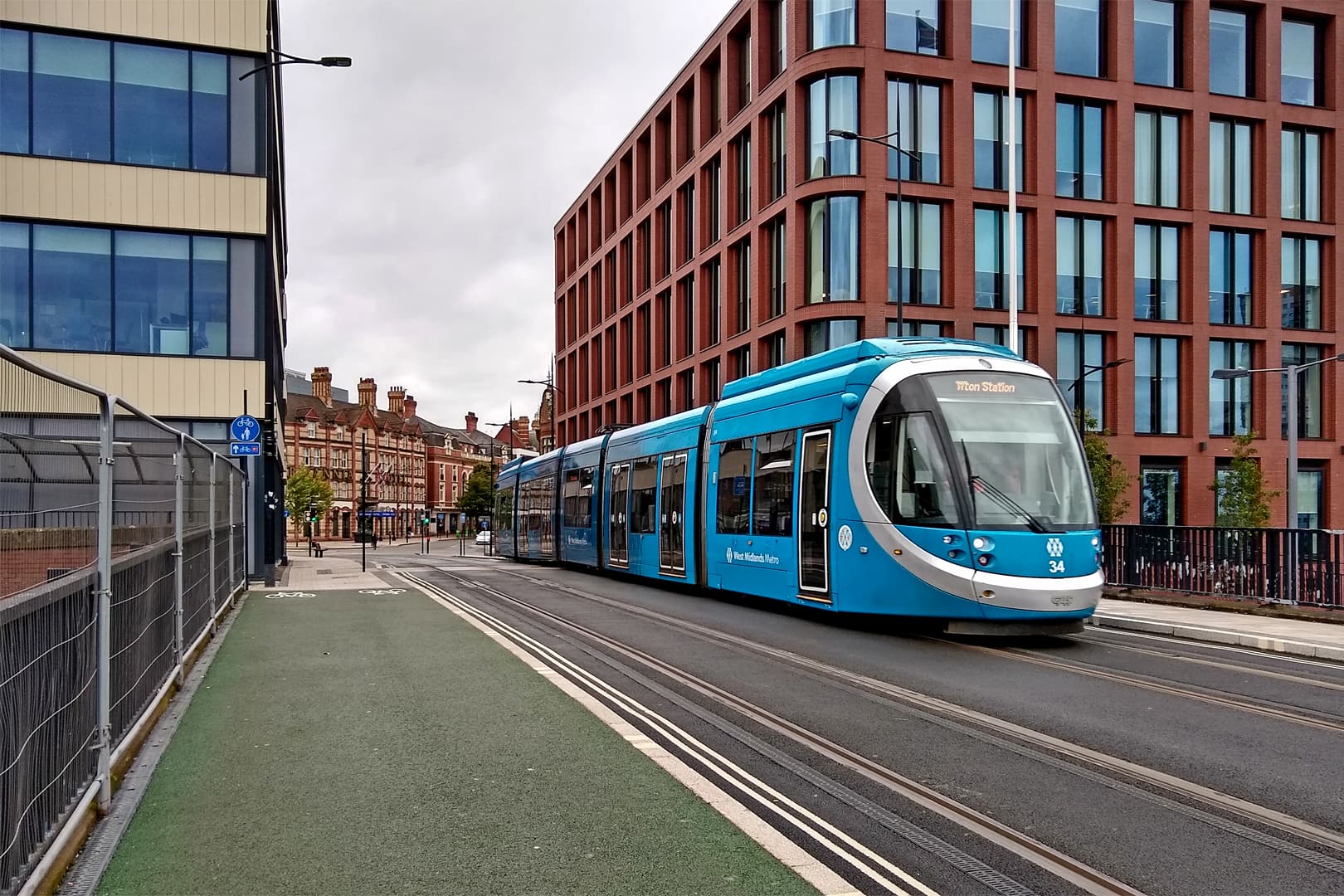
Wolverhampton has been quietly reinventing itself for decades, from the foundries and steelworks that built its industrial reputation to the creative industries, independent tradespeople and logistics contractors now threaded through the WV postcode. If you run your own business here, whether you are a builder working the new-build estates off the A449, a nail technician on Darlington Street, or a freelance designer operating out of i9 on Waterloo Road, Making Tax Digital for Income Tax is heading your way. HMRC's digital filing regime is not some distant piece of Westminster policy; it is a concrete change to how every qualifying sole trader records income and reports to HMRC, and the first wave starts on 6 April 2026.
- MTD for Income Tax
- HMRC's requirement for digital records and four quarterly updates for sole traders and landlords, alongside the annual tax return from April 2026.
The scheme is built around gross qualifying income, meaning your turnover before you subtract a single expense. If that figure clears the threshold, you are in. The full guide to how MTD works for sole traders is worth reading now, before the deadlines are breathing down your neck.
Who in Wolverhampton Does MTD Actually Catch?
The West Midlands has one of the highest concentrations of self-employed construction workers in the country, and Wolverhampton reflects that. Roofers, scaffolders, plasterers and electricians operating under CIS arrangements often underestimate their gross qualifying income because they think in terms of take-home pay rather than the total value of contracts invoiced. Under MTD rules it is the gross turnover figure that matters, so a sole-trader sparky invoicing £55,000 a year while spending £15,000 on materials and tools is well above the 2026 threshold even though their actual profit is closer to £40,000.
Beyond construction, Wolverhampton's economy has diversified around retail, personal services, health and logistics. The city sits at the intersection of the M6, M54 and A449, which makes it a natural hub for couriers and delivery contractors. Self-employed drivers working for parcel networks or running their own delivery rounds are precisely the people the MTD system was designed to capture, because cash-in-hand or app-based gig income has historically been among the easiest to under-report. If your qualifying income from self-employment plus any rental income you receive adds up to more than £20,000, you will eventually be brought into scope, even if it is not until April 2028.
£50,000
Gross income threshold for April 2026 entry
4 per year
Quarterly updates, before the annual tax return
£200
Penalty at 4 points, from 2027-28
The Timetable: When Your Wolverhampton Business Must Comply
| Qualifying gross income | MTD start date |
|---|---|
| Over £50,000 | 6 April 2026 |
| £30,000 to £50,000 | 6 April 2027 |
| £20,000 to £30,000 | 6 April 2028 |
| Under £20,000 | Not yet mandated |
The timetable is staggered, but do not use the lower thresholds as a reason to relax. Income fluctuates; a decent contract in the spring can push you over a band you thought you were safely beneath, and HMRC assesses your position based on the previous tax year's return. If your 2024/25 Self Assessment return shows qualifying income above £50,000, you are in scope from day one.
If You Are a Wolverhampton Courier Earning £52,000 Gross
Say you drive for two parcel operators and your combined gross receipts for 2024/25 are £52,000. After fuel, insurance and vehicle costs your profit is around £28,000, giving you a tax bill broadly in the basic-rate band. Under your 1257L tax code you have a personal allowance of £12,570, and you pay 20% on the slice above that. You can run the precise numbers with the sole trader tax calculator to avoid surprises. What MTD means for you practically is that from 6 April 2026 you need compliant software, and you need to submit four quarterly updates in the year ending 5 April 2027. Miss one, accumulate enough penalty points, and you are paying £200 for the privilege of being late, a cost that covers about forty minutes of your time on the road.
The Four Deadlines You Cannot Afford to Forget
MTD adds four filing windows spread across the year before the 31 January return. Each update is cumulative, meaning you report your year-to-date income and expenses at each checkpoint, not just the last three months in isolation.
| Quarter | Period covered | Filing deadline |
|---|---|---|
| Q1 | 6 Apr to 5 Jul | 7 August |
| Q2 | 6 Apr to 5 Oct | 7 November |
| Q3 | 6 Apr to 5 Jan | 7 February |
| Q4 | 6 Apr to 5 Apr | 7 May |
| Final declaration | Full year | 31 January |
For a sole trader juggling jobs across the city, four annual deadlines sounds manageable until the summer gets busy and the August deadline slips. That is exactly why HMRC designed the penalty system to accumulate points quietly rather than hit you with one large fine; it catches the person who misses one quarter, shrugs, and misses another. Keep the 7 August and 7 November dates in your phone calendar now.
What Wolverhampton Traders Get Wrong Before They Even Start
The most common misunderstanding among sole traders preparing for MTD is the difference between profit and qualifying income. A self-employed painter and decorator operating across Wolverhampton and the Black Country might invoice £38,000, spend £8,000 on paint, tools and a van, and declare a profit of £30,000. Their qualifying income for MTD threshold purposes is £38,000 gross, which means they enter MTD in April 2027, not 2028. Several people in that bracket will get a letter from HMRC in late 2026 expecting them to already know this.
A second trap is tax codes. If you also do some PAYE work alongside your self-employment, HMRC may adjust your tax code to collect underpaid tax through your wage, and errors creep in. Before you set up your MTD software, it is worth taking five minutes to check your tax code to make sure HMRC's records match your actual situation; an incorrect code can distort what you think you owe across the year.
Filing From Wolverhampton in One Tap
The practical ask of MTD is not that complicated if you have the right tool. TapTax is designed for the self-employed person who does not want to become an accountant. Import your business bank statement by CSV and TapTax brings in your transactions in a couple of minutes, uses AI to categorise your expenses into HMRC's approved categories, and lets you photograph receipts at the point of purchase rather than hunting through a shoebox in January. When a quarterly deadline arrives, your year-to-date figures are already compiled. One tap sends the update to HMRC.
The free plan requires no card and no commitment. For Wolverhampton sole traders who are already stretched between jobs, the admin reduction alone is worth the five minutes it takes to set up.
“Four deadlines a year sounds like more work until you realise each one takes minutes rather than the January weekend you currently sacrifice.”
Getting Your Wolverhampton Business Ready
Start by confirming your gross income for the last full tax year, 2024/25. If it is above £50,000, your compliance date is April 2026 and you have limited runway. If you are between £30,000 and £50,000, April 2027 gives you slightly more time but not enough to ignore the preparation. Download TapTax now, import your bank statement, and let the software build the habit of digital record-keeping before it becomes mandatory. By the time HMRC's deadline arrives, your first quarterly update will feel routine rather than stressful.
People also ask
Do I need an accountant in Wolverhampton to comply with Making Tax Digital?
No, MTD does not require an accountant. You need HMRC-recognised software that can store digital records and submit quarterly updates. Many Wolverhampton sole traders will handle this themselves using a mobile app. An accountant can add value if your affairs are complex, but it is not a legal requirement.
What counts as qualifying income for MTD purposes?
Qualifying income is your gross self-employment turnover plus any gross property rental income, before any expenses are deducted. It is not your profit. A sole trader invoicing £45,000 but spending £15,000 on costs still has £45,000 of qualifying income.
What happens if I miss a quarterly MTD deadline?
HMRC uses a points-based penalty system. Reach 4 points and HMRC charges a £200 penalty, then £200 for each further missed deadline. Points can accumulate further, increasing the financial cost of persistent late filing.
Does Making Tax Digital apply to part-time sole traders in Wolverhampton?
Yes, if your qualifying income from self-employment and property combined exceeds the relevant threshold in a prior tax year, MTD applies regardless of whether you work full-time or part-time. The £20,000 lower threshold arriving in April 2028 will catch many part-time self-employed workers.
Making Tax Digital for sole traders and landlords in Wolverhampton
If you are a sole trader or landlord in Wolverhampton, Making Tax Digital for Income Tax applies to you from 6 April 2026 if your qualifying income is over £50,000, and from 6 April 2027 if it is over £30,000. TapTax keeps your digital records and sends your quarterly updates to HMRC, and it is HMRC-recognised.
Start freeQuarterly expenses under MTD: the £90,000 rule
If your annual business turnover is £90,000 or less, HMRC lets you report a single consolidated expenses total in each Making Tax Digital quarterly update instead of breaking expenses down into itemised categories. Most sole traders in Wolverhampton are under this threshold, so a quarterly update can be as simple as two figures: total income and total expenses. You still need to keep digital records of each individual expense - the relaxation only changes how much detail goes into the quarterly update itself.
Related guides and calculators
Signing up for Making Tax Digital
MTD guides for nearby areas
Frequently asked questions
Do Wolverhampton sole traders need special software for Making Tax Digital?
Yes. HMRC requires you to use MTD-compatible software to keep digital records and submit quarterly updates. Spreadsheets alone do not qualify unless they are connected to a bridging tool. Apps like TapTax are HMRC-recognised and designed specifically for sole traders, making compliance straightforward without needing an accountant.
If my Wolverhampton business income varies year to year, how do I know when MTD applies to me?
HMRC determines your MTD obligation based on the qualifying income reported on your most recent Self Assessment return. If your 2024/25 return shows gross income above £50,000, you must comply from April 2026. A year where income dips below the threshold does not automatically remove you from MTD; HMRC may still require continued compliance.
What is the difference between a quarterly update and the final declaration under MTD?
Quarterly updates are cumulative submissions of your year-to-date income and expenses for each of the four periods in the tax year. The final declaration, due by 31 January, is where you confirm the full-year figures, add any other income sources, and calculate your final tax liability. It replaces the current Self Assessment tax return.
Is Making Tax Digital the same for sole traders in England as for those in Scotland or Wales?
The MTD timetable, thresholds and quarterly filing mechanics are identical across the UK. The difference is in income tax rates and tax codes. Wolverhampton sole traders use rest-of-UK bands, with a personal allowance of £12,570, basic rate of 20% up to £50,270, and higher rate of 40% above that. Scottish and Welsh taxpayers have different rate structures but the same MTD obligations.
Can I use TapTax to file MTD quarterly updates from Wolverhampton?
Yes. TapTax is an HMRC-recognised MTD-compatible app. It imports your bank statements, automatically categorises income and expenses, allows receipt scanning, and submits quarterly updates directly to HMRC. A free plan is available with no card required, making it accessible for Wolverhampton sole traders at any income level.
Sources
Official guidance on GOV.UK.