
Making Tax Digital in
Redditch
Redditch's needle-trade heritage is long gone, but the town's self-employed workforce still needs sharp tools - here's what Making Tax Digital means for you.
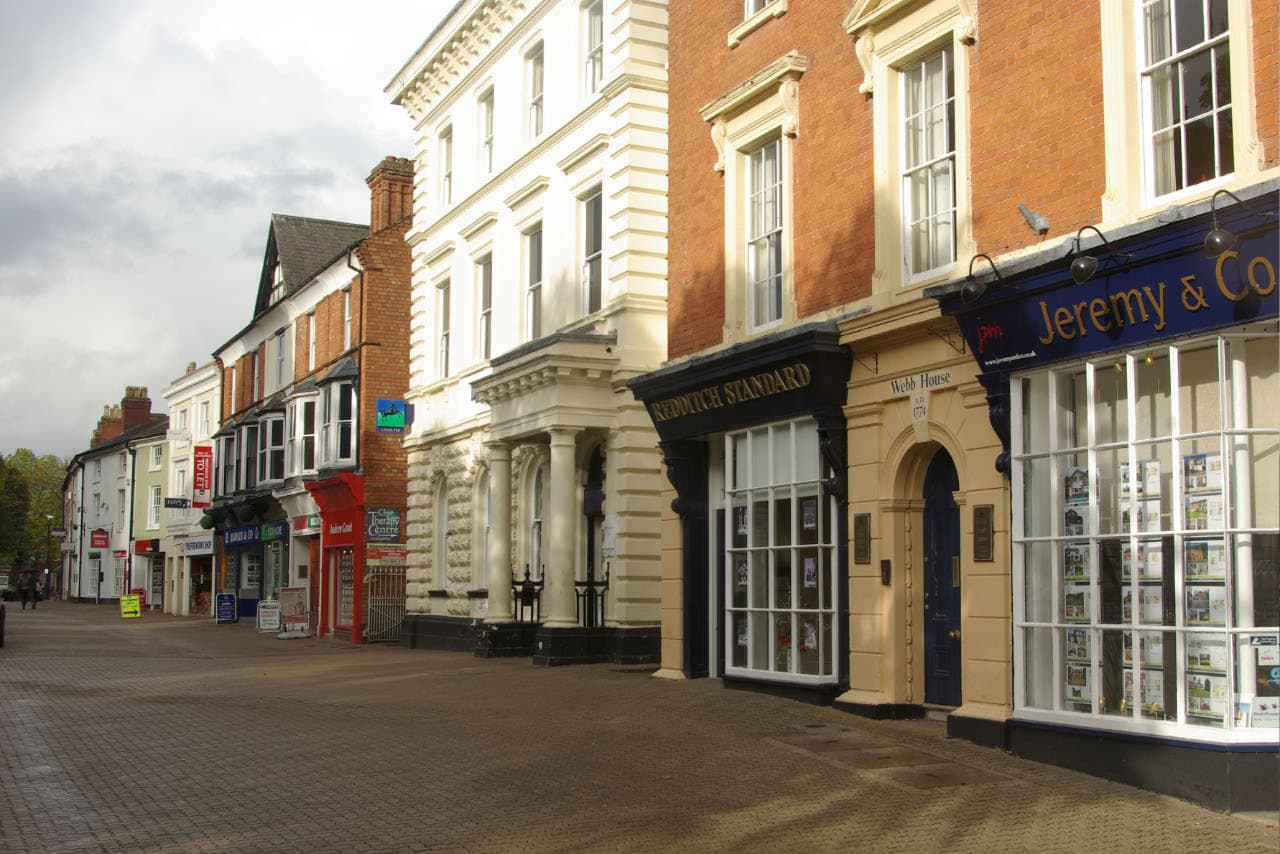
Redditch built its reputation on precision: for more than a century the town produced the needles and fish hooks that supplied the world. That craft-industry DNA lives on today in the workshops, vans and home offices of the self-employed people who keep the Worcestershire new town ticking, from the construction trades serving the Arrow Valley estates to the mobile beauticians and IT contractors dotted around Matchborough and Webheath. If you are one of them, HMRC is about to ask for a new kind of precision from you: four quarterly digital tax updates a year, on top of the Self Assessment return you may have filed for years.
- MTD for Income Tax
- HMRC's requirement for digital records and four quarterly updates for sole traders and landlords above income thresholds, alongside the annual tax return.
Making Tax Digital for Income Tax (MTD for IT) applies to all UK sole traders regardless of where they trade, and Redditch is no exception. The question is not whether it will arrive, but when it will arrive for you specifically, and whether you will be ready.
Which Redditch Sole Traders Are Affected, and When?
The rollout is staggered by income level. The table below sets out the three waves:
| Qualifying income (gross, before expenses) | MTD start date |
|---|---|
| Above £50,000 | 6 April 2026 |
| £30,000 to £50,000 | 6 April 2027 |
| £20,000 to £30,000 | 6 April 2028 |
| Below £20,000 | Not yet mandated |
Note that "qualifying income" is your total gross receipts from self-employment and property combined, before you subtract a single penny of expenses. A Redditch electrician charging customers £54,000 a year but spending £12,000 on parts and a van falls into the first wave even though their taxable profit is only £42,000. That detail catches people out every year.
If you are unsure which band you fall into, the sole trader tax calculator will give you a clear picture of your taxable position and the income figure HMRC will use.
£50,000
Gross income threshold for April 2026 compliance
4
Quarterly updates required each year
£200
Penalty once points threshold is reached
The Four Deadlines Every Redditch Trader Must Know
Under MTD, your year is divided into four quarterly periods. Each update is cumulative, meaning you are not just reporting the last three months but the running total since 6 April. Think of it less like sending four separate snapshots and more like handing HMRC an updated spreadsheet four times a year.
| Quarter | Period covered | Filing deadline |
|---|---|---|
| Q1 | 6 Apr to 5 Jul | 7 August |
| Q2 | 6 Apr to 5 Oct | 7 November |
| Q3 | 6 Apr to 5 Jan | 7 February |
| Q4 | 6 Apr to 5 Apr | 7 May |
| Final declaration | Full year reconciliation | 31 January |
Four deadlines sounds manageable until a busy spell on site in Redditch Town Centre or a run of back-to-back clients around the Kingfisher Shopping Centre pushes paperwork firmly off the to-do list. Miss enough deadlines and HMRC's points-based system accumulates penalty points; once you hit the threshold the fines start at £200 per missed submission. Staying on top of it digitally, as you go, is far easier than scrambling to reconstruct three months of receipts in a weekend.
For a full explainer on the mechanics, the beginner's guide to Making Tax Digital covers every step in plain English.
If You Are a Redditch Motor-Trade Contractor Turning Over £62,000
Redditch has a significant automotive-parts heritage, and there are still independent mechanics, mobile valeting specialists and parts-supply contractors operating across the town. Say you run a mobile vehicle-diagnostics service based near the Washford industrial area, charging trade customers £62,000 a year gross. Your expenses (tools, fuel, insurance, software) come to £18,000, leaving taxable profit of £44,000.
You are firmly in the April 2026 wave. Under England's rest-of-UK bands, your tax code will likely be 1257L. After the £12,570 personal allowance, roughly £31,430 of profit falls in the 20% basic-rate band. You will also owe Class 4 National Insurance on profits above £12,570. Missing even one quarterly update risks a penalty point; miss four in a 24-month window and you will owe £200 or more in late-filing fines. Getting a compliant app running before April 2026 costs you nothing in the early stages and potentially saves several hundred pounds in avoidable penalties.
What Redditch Sole Traders Most Commonly Get Wrong
Three mistakes come up repeatedly among traders in towns like Redditch where self-employment is concentrated in practical trades rather than desk-based freelancing.
Confusing turnover with profit. As noted above, the MTD threshold is gross income, not profit. A joiner turning over £52,000 who habitually tells people "I only make about £30k" after materials is already caught by the first wave.
Assuming the tax code sorts itself out. Your tax code (likely 1257L if you have no other income adjustments) affects any PAYE employment you hold alongside your self-employment. If the two income streams interact in unexpected ways, your Self Assessment bill can surprise you. The tax code checker is a quick way to confirm you are on the right code before MTD reporting begins, so there are no nasty reconciliations in January.
Leaving digital records to the accountant. MTD requires the trader themselves (or their software) to keep digital records of each transaction. You cannot hand a shoebox of receipts to a Redditch accountant in January and have them reconstruct compliant records; the digital trail must exist throughout the year.
How to File From Redditch in One Tap
TapTax is built for exactly the kind of on-the-move working life common in Redditch: a sole trader who is out on jobs during the day and checks their phone rather than logging in to a desktop account manager at night.
Import your business bank statement by CSV and TapTax brings in your transactions in a couple of minutes. The AI categorises them against HMRC's expense classes, the receipt scanner handles invoices photographed on site, and when a quarterly deadline approaches you review the running totals and submit directly to HMRC with a single tap. There is no annual crunch, no scrambling for missing receipts, and no spreadsheet to maintain alongside your actual work.
The free plan is available with no card required, which means there is no reason to delay getting compliant well before the 6 April 2026 first wave hits.
Getting Ready Today: A Practical Checklist for Redditch Traders
Start with these steps now rather than in March 2026:
- Calculate your qualifying gross income (not profit) for the last full tax year and identify which MTD wave applies to you.
- Check your tax code is correct using the tax code checker, especially if you have PAYE income alongside your self-employment.
- Open a dedicated business bank account if you do not already have one; it makes transaction imports clean and auditable.
- Download TapTax and connect your account so digital records begin accumulating from day one of the relevant tax year.
- If you use an accountant in Redditch, have a conversation with them specifically about who will be responsible for each quarterly submission and how they will access your digital records.
The shift to quarterly reporting is the biggest structural change to UK sole-trader tax administration in a generation. Redditch traders who treat it as background noise until the deadline looms will face a compressed, stressful scramble. Those who start using compliant software now will barely notice the changeover.
“Four quarterly updates sounds daunting until you realise the app does the counting - you just confirm and tap.”
People also ask
Does Making Tax Digital apply to sole traders in Redditch?
Yes. MTD for Income Tax applies to all UK sole traders, including those based in Redditch, Worcestershire. The start date depends on your gross qualifying income: April 2026 for income above £50,000, April 2027 for £30,000 to £50,000, and April 2028 for £20,000 to £30,000.
What counts as qualifying income for MTD purposes?
Qualifying income is your total gross receipts from self-employment and property before any deductions or expenses. It is not your taxable profit. A sole trader in Redditch billing £52,000 but spending £15,000 on materials still has £52,000 qualifying income and falls into the first MTD wave.
What happens if I miss a quarterly MTD deadline?
HMRC operates a points-based penalty system. Each missed quarterly submission earns a penalty point, and once you reach the threshold (four points for quarterly filers) a £200 fine is charged. Further missed submissions trigger additional £200 penalties until you return to compliance.
Can I use a spreadsheet to meet MTD requirements?
You can use a bridging software solution that reads from a spreadsheet, but the spreadsheet alone is not MTD-compatible. HMRC requires submissions to be made via recognised MTD software. Purpose-built apps like TapTax are simpler and remove the need to maintain a separate spreadsheet.
Making Tax Digital for sole traders and landlords in Redditch
If you are a sole trader or landlord in Redditch, Making Tax Digital for Income Tax applies to you from 6 April 2026 if your qualifying income is over £50,000, and from 6 April 2027 if it is over £30,000. TapTax keeps your digital records and sends your quarterly updates to HMRC, and it is HMRC-recognised.
Start freeQuarterly expenses under MTD: the £90,000 rule
If your annual business turnover is £90,000 or less, HMRC lets you report a single consolidated expenses total in each Making Tax Digital quarterly update instead of breaking expenses down into itemised categories. Most sole traders in Redditch are under this threshold, so a quarterly update can be as simple as two figures: total income and total expenses. You still need to keep digital records of each individual expense - the relaxation only changes how much detail goes into the quarterly update itself.
Related guides and calculators
Signing up for Making Tax Digital
MTD guides for nearby areas
Frequently asked questions
Do I need an accountant in Redditch to comply with Making Tax Digital?
You do not legally need an accountant. MTD requires HMRC-recognised software to keep digital records and file quarterly updates, but a sole trader can do this themselves using an app like TapTax. Many Redditch traders do use a local accountant, but the legal obligation for timely digital submissions remains with the individual taxpayer regardless.
What is the MTD income threshold, and is it based on profit or turnover?
The threshold is based on gross qualifying income - your total turnover from self-employment and property before any expenses. It is not your taxable profit. This means a Redditch tradesperson invoicing £51,000 a year but netting only £33,000 after costs is still in the first April 2026 wave.
How many times a year do I have to submit under Making Tax Digital?
You must file four quarterly updates during the tax year, with deadlines on 7 August, 7 November, 7 February and 7 May respectively. Each update is cumulative from 6 April, not just the most recent quarter. After the tax year ends you also submit a final declaration by 31 January to reconcile the full year.
Will my tax code change when MTD starts?
Not automatically. England-based sole traders typically hold a 1257L tax code if they have no adjustments. MTD changes how you report income digitally but does not alter your tax code. If your code looks wrong because of underpaid tax from previous years or other income, you should check and correct it with HMRC before MTD submissions begin.
Is there free software available to meet the MTD requirements?
Yes. TapTax offers a free plan with no card required that imports your bank statements, categorises transactions automatically and files quarterly updates directly to HMRC. This is enough for most sole traders to remain fully compliant without paying for accountancy software they rarely use.
Sources
Official guidance on GOV.UK.