
Making Tax Digital in
Oxford
Oxford's freelancers, tutors, and tradespeople face a new HMRC filing regime from April 2026. Here is everything you need to know.
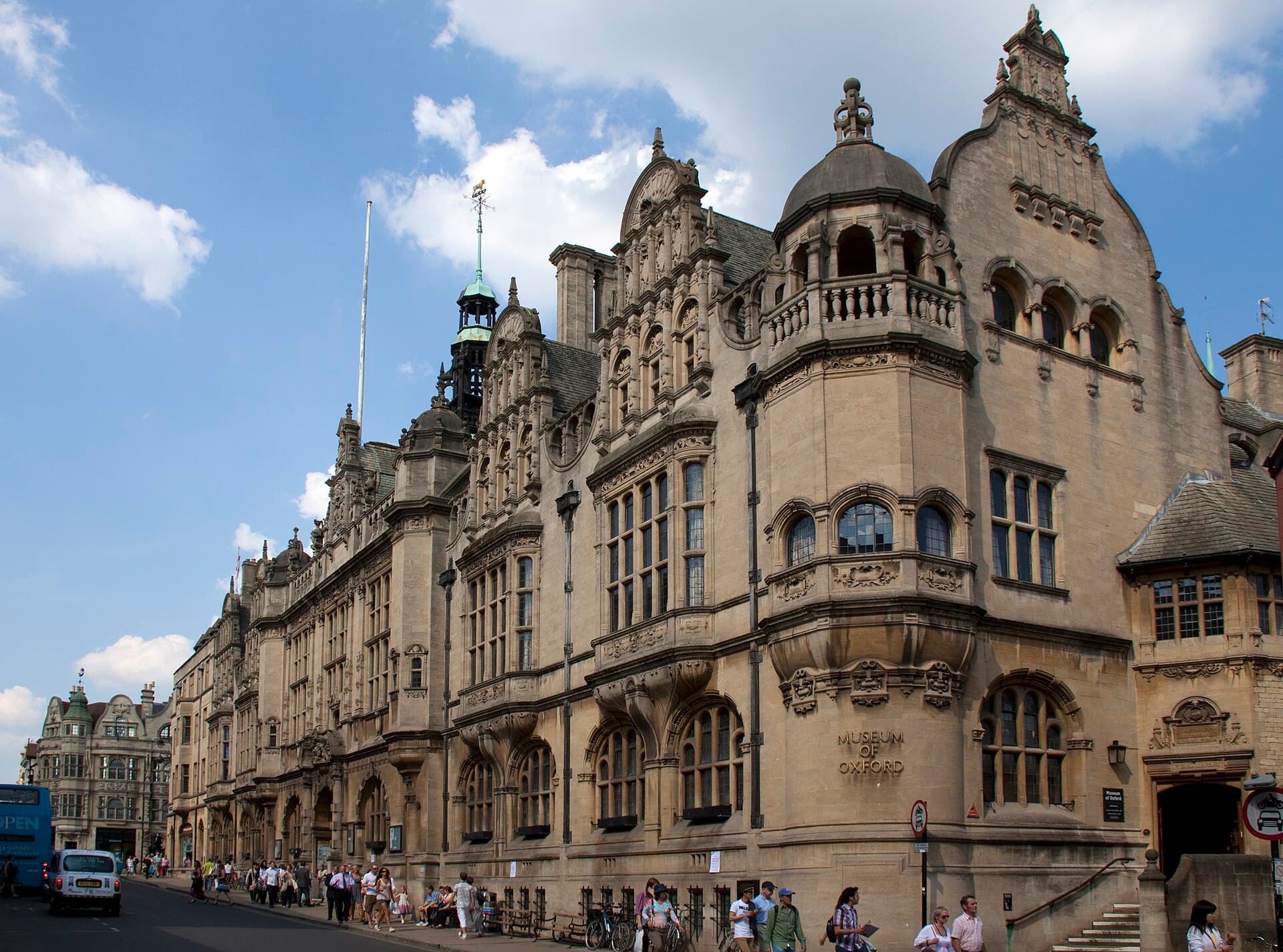
Oxford runs on knowledge work. Between the 40,000-plus university students who feed a thriving private tutoring economy, the biotech and life-sciences spin-outs clustering along the Oxford Science Park, and the independent tradespeople keeping Jericho's Victorian terraces and Cowley's inter-war semis in good repair, this city has one of the most diverse self-employed workforces in the south of England. If any part of your income comes from self-employment or renting out property, Making Tax Digital for Income Tax is heading your way, and the first deadline is closer than most people realise.
- MTD for Income Tax
- HMRC's requirement for sole traders and landlords to keep digital records and submit four cumulative quarterly updates each year, alongside the annual tax return.
Making Tax Digital (MTD) for Income Tax is a structural change to how HMRC collects information from sole traders. It does not change how much tax you owe; it changes how often you report. Oxford sole traders need to understand when the rules kick in, which quarterly filing dates matter, and what the points-based penalty system actually costs when you slip up.
When MTD Actually Arrives for Oxford Sole Traders
The rollout is staggered by income level. The table below shows exactly when each wave begins.
| Gross qualifying income | Mandatory start date |
|---|---|
| Over £50,000 | 6 April 2026 |
| £30,000 to £50,000 | 6 April 2027 |
| £20,000 to £30,000 | 6 April 2028 |
| Under £20,000 | Not yet mandated |
"Qualifying income" means your gross self-employment turnover plus any gross rental income, counted before a single expense is deducted. An Oxford landlord renting a two-bedroom flat in Headington for £1,800 a month has £21,600 in qualifying property income already. Add any freelance work on top and the £30,000 threshold arrives faster than you might expect.
Before you do anything else, it is worth checking your current tax position. The sole trader tax calculator will show you your likely income tax and National Insurance bill based on your gross turnover, and it will flag which MTD wave you fall into.
6 Apr 2026
First MTD wave: income over £50,000
4 updates
Quarterly filings required each year
£200
Penalty once HMRC points threshold is reached
Who in Oxford Is Actually Affected
Oxford's self-employed population is unusually varied for a city of its size (around 160,000 people in the city proper, over 300,000 in the wider metropolitan area), and that variety matters for MTD.
Private tutors are perhaps Oxford's most distinctive self-employed group. The concentration of selective schools, from Magdalen College School to the many prep schools in North Oxford, creates sustained demand for subject specialists at secondary and A-level. A tutor charging £60 to £80 an hour and working 20 hours a week through term time can clear £40,000 to £50,000 gross without much difficulty. That places them squarely in the April 2027 MTD wave, but only just below the 2026 threshold.
The life-sciences and tech consultant sector around the Oxford Science Park and Begbroke Science Park adds another layer. Many researchers and engineers leave university employment to consult independently, often billing through a sole trader arrangement before incorporating. Rates in this sector can easily push gross income past £50,000 in year one.
Builders, electricians, and plumbers serving Oxford's densely packed Victorian and Edwardian housing stock are a third significant group. Renovation work in Summertown, Woodstock Road, and East Oxford generates steady turnover, and many tradespeople in this area work across the county into Oxfordshire's market towns as well.
If you are an Oxford private tutor turning over £44,000
Say you are Sophie, an Oxford-based A-level maths and chemistry tutor with around £44,000 in gross fees this tax year. Under MTD from April 2027, you will file four quarterly updates covering 6 April to 5 July, 5 October, 5 January, and 5 April. Each update is cumulative, so by Q4 HMRC has a running picture of your full year. Your income tax bill at England's basic rate (20% on earnings between the £12,570 personal allowance and £50,270) will be roughly £6,300 on taxable profit of £31,500 (after a notional £12,500 in expenses), but that calculation depends on your actual deductible costs. The quarterly planning calculator can model this in real time as your income builds through the year.
The Four Quarterly Deadlines You Cannot Miss
Each quarterly update covers a fixed HMRC period and has a firm submission deadline. These dates do not move to accommodate school holidays, university terms, or the Oxford Literary Festival.
| Quarter | Period covered | Submission deadline |
|---|---|---|
| Q1 | 6 April to 5 July | 7 August |
| Q2 | 6 April to 5 October (cumulative) | 7 November |
| Q3 | 6 April to 5 January (cumulative) | 7 February |
| Q4 | 6 April to 5 April (cumulative) | 7 May |
| Final declaration | Full year reconciliation | 31 January |
HMRC's points-based system works like penalty points on a driving licence. Each missed quarterly deadline earns one point. Reach 4 points and HMRC charges a £200 penalty, then £200 for each further missed deadline. Miss all four quarters in a year and you are looking at a minimum £200 exposure, on top of whatever late-payment interest accrues.
For a deeper explanation of how the quarterly system works mechanically, the MTD for sole traders guide walks through the full update process step by step.
The Mistake Oxford Tradespeople Keep Making
The most common error among tradespeople in Oxford and the surrounding Oxfordshire villages is confusing gross qualifying income with net profit. Many electricians and builders who genuinely believe they are under the threshold are actually over it, because they have been mentally subtracting materials and van costs before comparing to the £50,000 figure. HMRC's threshold is gross turnover. If you invoiced £52,000 this year and spent £18,000 on materials, subcontractors, and tools, your qualifying income is £52,000, not £34,000. You are in the April 2026 wave, not the 2027 wave.
A second mistake is assuming your 1257L tax code makes your situation simpler than it is. The standard personal allowance code tells you nothing about your MTD obligations. If you want to understand exactly what your code means for your overall liability, checking your tax code is a sensible first step before you start planning your MTD approach.
How TapTax Makes Oxford Filing Straightforward
TapTax was built for the kind of sole trader who is on a job site in Botley by 7am and marking essays in Headington until 9pm. There is no desktop-first workflow and no spreadsheet to maintain. You import your business bank statement, and TapTax's AI categorises incoming and outgoing transactions automatically. Receipts get scanned on the spot. By the time a quarterly deadline arrives, your cumulative totals are already assembled and the update takes one tap to file directly with HMRC.
The free plan requires no card details and covers everything a sole trader needs to stay compliant. Getting started before your MTD wave begins means you have months of clean digital records already in place on day one of the mandate, rather than scrambling to reconstruct transactions from bank statements.
Getting Ready Before Oxford's Sole Traders Are Chasing Their Tails
The practical steps are simple but the timing matters. Start by establishing your gross qualifying income for this tax year: add all invoiced fees or rental receipts before expenses. Compare that figure to the table above to identify your mandatory start date. Then choose MTD-compatible software and begin using it now, so that by April 2026 or 2027 the habit is already second nature.
Oxford has always been a city comfortable with rigorous systems and deadlines. The same discipline that gets a DPhil thesis submitted on time will serve you perfectly here. The difference is that HMRC does not offer a viva extension.
People also ask
Do Oxford sole traders need an accountant to comply with Making Tax Digital?
No, you do not need an accountant. MTD-compatible software like TapTax allows you to file quarterly updates directly with HMRC yourself. Many Oxford sole traders, particularly tutors and freelancers with straightforward income, can manage compliance entirely through a mobile app. An accountant remains useful for complex tax planning, but is not a legal requirement for MTD filing.
What counts as qualifying income for the MTD threshold?
Qualifying income is your gross self-employment turnover plus gross rental income, both measured before any expenses are deducted. If you are an Oxford landlord and a part-time consultant, you add both figures together. The combined total determines which MTD wave you fall into and when your mandatory start date is.
Can I use a spreadsheet instead of software for MTD?
HMRC requires MTD-compatible software that can submit digital updates directly via the API. A plain spreadsheet on its own does not qualify. Some providers offer bridging software that reads from a spreadsheet and submits digitally, but a dedicated app like TapTax that handles categorisation, record-keeping, and submission in one place is generally simpler and less error-prone.
What happens if I miss an MTD quarterly deadline?
HMRC applies a points-based penalty system. Each missed deadline earns one penalty point. Reach 4 points and HMRC charges a £200 penalty, then £200 for each further missed deadline. Points can also accumulate toward higher penalties over time, so consistent compliance is significantly cheaper than catching up after missing multiple quarters.
“Oxford's self-employed economy is too diverse and too fast-moving for a once-a-year tax return. MTD quarterly filing, done right, actually gives you a cleaner picture of where you stand.”
Making Tax Digital for sole traders and landlords in Oxford
If you are a sole trader or landlord in Oxford, Making Tax Digital for Income Tax applies to you from 6 April 2026 if your qualifying income is over £50,000, and from 6 April 2027 if it is over £30,000. TapTax keeps your digital records and sends your quarterly updates to HMRC, and it is HMRC-recognised.
Start freeQuarterly expenses under MTD: the £90,000 rule
If your annual business turnover is £90,000 or less, HMRC lets you report a single consolidated expenses total in each Making Tax Digital quarterly update instead of breaking expenses down into itemised categories. Most sole traders in Oxford are under this threshold, so a quarterly update can be as simple as two figures: total income and total expenses. You still need to keep digital records of each individual expense - the relaxation only changes how much detail goes into the quarterly update itself.
Related guides and calculators
Signing up for Making Tax Digital
MTD guides for nearby areas
Frequently asked questions
Do Oxford-based sole traders have to register for Making Tax Digital if they also earn rental income?
Yes. HMRC combines your gross self-employment turnover and your gross rental income to calculate your qualifying income for MTD purposes. An Oxford tutor earning £28,000 in fees who also receives £18,000 in rent from a Cowley flat has £46,000 in qualifying income, placing them in the April 2027 mandatory wave. Both income streams must be reported through MTD-compatible software once the mandate applies.
When does Making Tax Digital for Income Tax start for sole traders earning between £20,000 and £30,000?
The April 2028 wave covers sole traders and landlords whose gross qualifying income falls between £20,000 and £30,000. This is the third and final announced wave. Those with qualifying income under £20,000 have no mandated start date yet, though HMRC has indicated further expansion is planned.
Is the MTD quarterly update deadline fixed even during bank holidays or university term breaks?
The statutory deadlines are fixed by HMRC and do not adjust for bank holidays or seasonal breaks. The four deadlines each year are 7 August, 7 November, 7 February, and 7 May, with a final declaration by 31 January. It is worth building these dates into your diary well in advance, particularly if your workload fluctuates with Oxford's academic calendar.
What income tax rates apply to sole traders in Oxford?
Oxford is in England, so rest-of-UK income tax rates apply. You pay no income tax on the first £12,570 (personal allowance), 20% basic rate on income up to £50,270, 40% higher rate between £50,270 and £125,140, and 45% additional rate above £125,140. Your tax code will typically be 1257L unless HMRC has adjusted it for other reasons. MTD does not change these rates; it changes how often you report.
Can I start using MTD-compatible software before my mandatory start date?
Yes, and it is strongly advisable to do so. Starting early means your digital records are already clean and complete when HMRC's mandate applies to you. It also lets you build the habit of categorising transactions and filing quarterly updates without the pressure of a compliance deadline. TapTax offers a free plan with no card required, so there is no financial barrier to beginning now.
Sources
Official guidance on GOV.UK.