
Making Tax Digital in
Ipswich
Ipswich sole traders, from Felixstowe freight contractors to Tavern Street retailers, here is everything you need to know about Making Tax Digital.
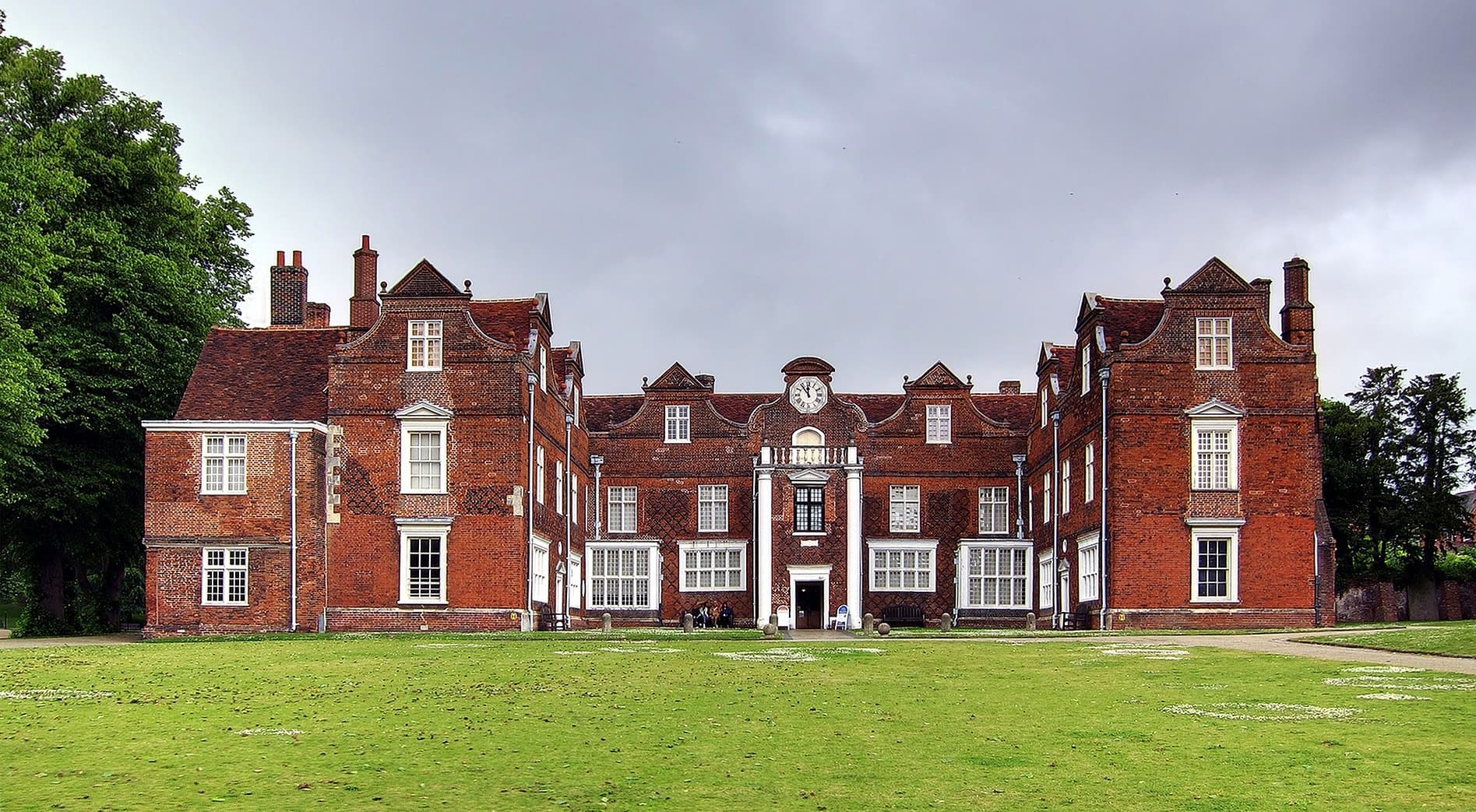
Ipswich has long punched above its weight as a commercial hub for Suffolk and the wider East Anglian economy. The port at Felixstowe fifteen miles down the A14 pulls a steady current of haulage contractors, logistics coordinators, and freight agents through the town, many of them operating as sole traders. Add in the clusters of tradespeople serving the housing boom along the Waterfront, the independent retailers threading through Tavern Street and Tavern Walk, and the growing number of digital freelancers drawn by relatively affordable office space compared to London, and you have a self-employed community that is both varied and busy. For all of them, Making Tax Digital for Income Tax is approaching fast, and the change is bigger than anything HMRC has done to Self Assessment since it was introduced in 1996.
MTD for Income Tax adds four cumulative quarterly updates before the end-of-year tax return. If you are one of those Ipswich sole traders, it applies to you just as it applies to anyone in Bristol or Birmingham. The rules are UK-wide. But understanding what they mean for the specific rhythms of how you work, get paid, and keep records in IP1 or IP4 is where the practical preparation begins.
- MTD for Income Tax
- HMRC's requirement for sole traders and landlords to keep digital records and submit four cumulative quarterly updates per tax year, alongside the annual tax return.
Who in Ipswich actually needs to comply, and when
The threshold that triggers MTD is your qualifying income, which is your gross self-employment turnover plus gross property income, counted before any expenses are deducted. HMRC rolls this out in three waves depending on where you fall.
£50,000
Qualifying income threshold, April 2026
£30,000
Second wave threshold, April 2027
£200
Penalty per missed quarterly update (once threshold reached)
| Qualifying income (gross) | MTD start date |
|---|---|
| Over £50,000 | 6 April 2026 |
| £30,000 to £50,000 | 6 April 2027 |
| £20,000 to £30,000 | 6 April 2028 |
| Under £20,000 | Not yet mandated |
For the logistics contractors who are Ipswich's most visible sole-trader demographic, £50,000 gross is often cleared in a single busy quarter during the peak import season at Felixstowe. If that description sounds like you, April 2026 is your deadline, not 2027 or 2028. Check carefully: rental income from a second property counts towards the threshold even if your haulage work alone sits below it.
If you are unsure what band you fall into after subtracting nothing (gross is the key word), use the sole trader tax calculator to model your position before you commit to a start date. Getting the threshold wrong in either direction creates problems: start too late and you face penalties; start too early and you simply file more often than you need to.
If you are an Ipswich electrician turning over £58,000
Say you are an electrical contractor working across the new-build sites between the Waterfront and Bramford Road. Your gross invoicing is £58,000 in 2026-27. MTD applies to you from 6 April 2026. From that point you will file four times per year. Miss a deadline in the 2026 to 2027 tax year and there is no penalty point, though the update is still owed; from 2027-28 each missed deadline earns a point, and four points bring a £200 penalty, then £200 for each further missed deadline. Over a full year of non-compliance that is £400 in avoidable fines, before HMRC escalates. Setting a quarterly phone reminder now costs nothing; ignoring the change could cost considerably more.
The four deadlines every Ipswich sole trader needs to diary
Each quarterly update covers a cumulative period, meaning Q2 includes everything from 6 April onwards, not just the three months to 5 October. That distinction matters when you are reconciling bank statements.
| Quarter | Period | Filing deadline |
|---|---|---|
| Q1 | 6 Apr to 5 Jul | 7 August |
| Q2 | 6 Apr to 5 Oct | 7 November |
| Q3 | 6 Apr to 5 Jan | 7 February |
| Q4 | 6 Apr to 5 Apr | 7 May |
| Final declaration | Full year | 31 January |
For market traders who work the Ipswich Cornhill market and the Tavern Street weekend pitches, late autumn is the time when cash flow peaks and admin falls behind. Q2 falls due on 7 November, right in the middle of the pre-Christmas push. Build the filing into your routine before the season starts so you are not scrambling between a busy Saturday pitch and a tax deadline on the same weekend.
The mistakes Ipswich sole traders most commonly make
There are two traps that catch people regardless of whether they are in a Suffolk market town or central London, and one that is particularly relevant here.
The first is confusing net income with qualifying income. A sole trader earning £48,000 gross but spending £20,000 on fuel, insurance, and tools might assume they are comfortably below every threshold. Gross is the number that counts. £48,000 puts you in the April 2027 cohort, and if your costs shift or you take on a rental property, you can cross into the 2026 cohort without expecting it.
The second is assuming that because the final declaration deadline is 31 January (the same as the old Self Assessment), the quarterly updates can slip. They cannot. Each of the four dates above carries its own penalty trajectory independently of the annual declaration.
The Ipswich-specific trap is one that affects the town's sizeable population of owner-drivers and small haulage operators. Many of them invoice primarily to a small number of commercial clients and have historically filed once a year with a straightforward spreadsheet. MTD requires HMRC-recognised software, not a spreadsheet emailed to your accountant in January. You will need to choose a compatible app before your mandation date and connect it to your bank so your records are digital from day one of your first quarter.
Before any of that, it is worth confirming your tax code is correct. England residents use standard rest-of-UK codes, so yours should begin with a number and end in L (most commonly 1257L, reflecting the current Personal Allowance of £12,570). If your code looks unfamiliar or you have had a change in circumstances, check your tax code now rather than when you are also trying to navigate your first quarterly submission.
Understanding MTD properly before you start
If the quarterly-update model is still a little abstract, the guide to what Making Tax Digital is and how it works walks through the mechanics in plain English: why HMRC is doing it, what software-compatible means in practice, and what happens to the annual Self Assessment you know today. Reading it before you choose your software will save you picking the wrong product and having to migrate mid-year.
How to file in one tap from anywhere in Ipswich
TapTax is built around the reality that most sole traders do not sit at a desk. You might be on a Ransomes Europark industrial estate running a small manufacturing operation, or parked outside a client's property in one of the town's residential outer wards. TapTax imports your bank statements, categorises your income and expenses using AI, and lets you scan receipts on the spot. When a quarterly deadline approaches, the app shows you a cumulative year-to-date summary and lets you submit it to HMRC with a single tap.
There is a free plan, no card required, and you can start before your mandation date so the system is already trained on your transaction patterns when the first real deadline arrives. For Ipswich sole traders who currently rely on a shoebox of receipts and a January accountancy bill, the shift to quarterly digital records will feel significant. The filing itself, with the right app, will not.
“Ipswich's self-employed community is as varied as its economy: start your MTD prep now, not in the week before your first quarterly deadline.”
People also ask
Do Ipswich sole traders need an accountant to comply with Making Tax Digital?
No, you are not legally required to use an accountant. MTD requires HMRC-recognised software and digital record-keeping, but a sole trader can file quarterly updates directly using an app like TapTax without a third-party accountant. Some traders will still choose accountant support, particularly in the first year.
Does Making Tax Digital apply if my only income is below £20,000?
Not yet. HMRC has not set a mandation date for those earning under £20,000 in qualifying income. However, thresholds can change, and keeping digital records now means you will not be caught scrambling when a lower threshold is eventually announced.
What counts as qualifying income for MTD purposes?
Qualifying income is the gross total of your self-employment turnover and any property rental income, measured before expenses. If you have multiple income streams, all of them are added together to determine which MTD wave applies to you.
What happens if I miss a quarterly MTD deadline?
HMRC operates a points-based penalty system. Each missed deadline adds a penalty point, and once you cross the threshold for your filing frequency a £200 penalty is charged. Points can accumulate across multiple quarters, so consistent late filing becomes increasingly expensive.
Making Tax Digital for sole traders and landlords in Ipswich
If you are a sole trader or landlord in Ipswich, Making Tax Digital for Income Tax applies to you from 6 April 2026 if your qualifying income is over £50,000, and from 6 April 2027 if it is over £30,000. TapTax keeps your digital records and sends your quarterly updates to HMRC, and it is HMRC-recognised.
Start freeQuarterly expenses under MTD: the £90,000 rule
If your annual business turnover is £90,000 or less, HMRC lets you report a single consolidated expenses total in each Making Tax Digital quarterly update instead of breaking expenses down into itemised categories. Most sole traders in Ipswich are under this threshold, so a quarterly update can be as simple as two figures: total income and total expenses. You still need to keep digital records of each individual expense - the relaxation only changes how much detail goes into the quarterly update itself.
Related guides and calculators
Signing up for Making Tax Digital
MTD guides for nearby areas
Frequently asked questions
Do I need an accountant in Ipswich to comply with Making Tax Digital?
No. MTD for Income Tax requires digital record-keeping and HMRC-recognised software, but you can manage the four quarterly updates yourself using a compatible app like TapTax. Many Ipswich sole traders will continue using an accountant for year-end advice, but it is not a legal requirement for compliance.
When does Making Tax Digital start for sole traders earning between £30,000 and £50,000?
The second wave of MTD for Income Tax begins on 6 April 2027 for sole traders with qualifying income between £30,000 and £50,000. Qualifying income is gross turnover plus gross property rental income, before any expenses are deducted.
What software do I need to use for MTD in England?
You need HMRC-recognised MTD-compatible software. Spreadsheets alone are not sufficient. Apps like TapTax import your bank statements, categorise expenses, and file quarterly updates directly with HMRC. TapTax is HMRC-recognised. England sole traders follow the standard rest-of-UK MTD timetable and software requirements.
Are the four quarterly MTD deadlines the same as the old Self Assessment deadline?
No. The four quarterly deadlines fall at different points in the tax year: 7 August, 7 November, 7 February, and 7 May. There is also a final declaration due by 31 January, which replaces the old annual return. Missing any of the quarterly deadlines independently can trigger penalty points.
Does rental income count towards the MTD qualifying income threshold?
Yes. HMRC defines qualifying income as gross self-employment turnover plus gross property rental income, added together before expenses. An Ipswich sole trader with £35,000 in trade income and £18,000 in rental income has qualifying income of £53,000, placing them in the April 2026 cohort.
Sources
Official guidance on GOV.UK.