
Making Tax Digital in
Croydon
Croydon's sole traders, from Boxpark market vendors to South London tradespeople, need to be ready for Making Tax Digital from April 2026.
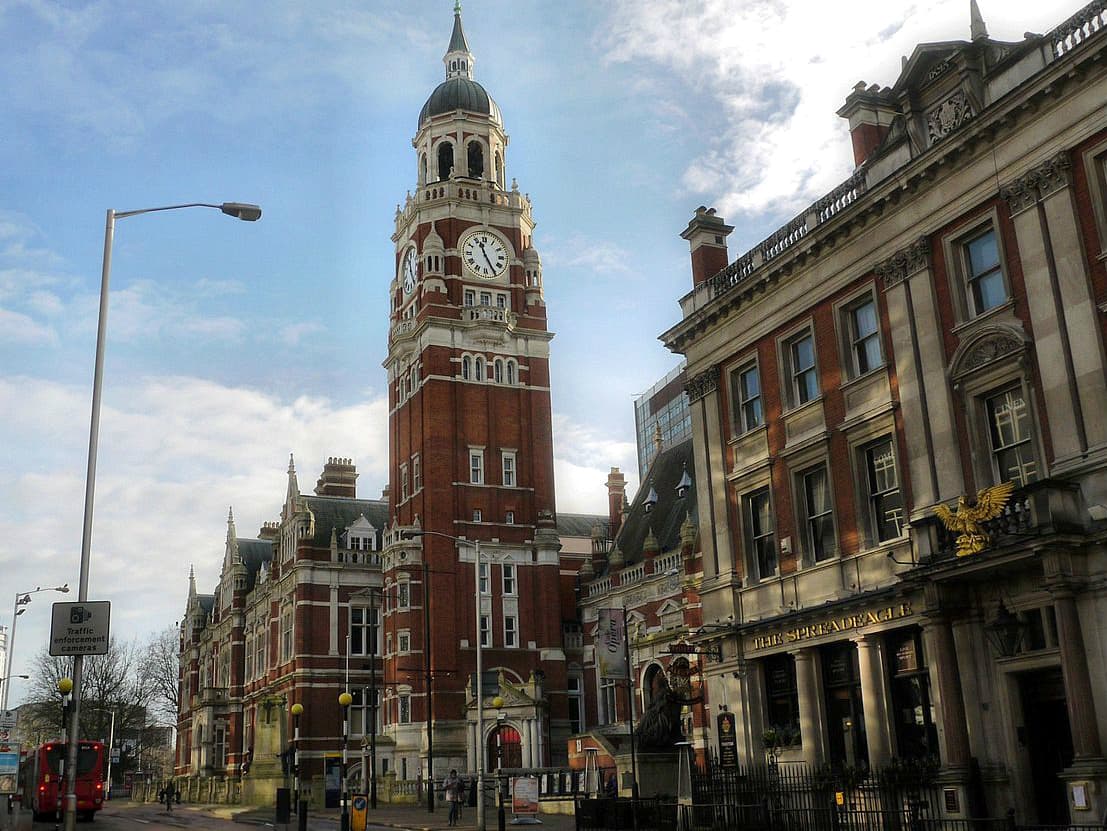
Croydon is not merely London's biggest outer borough by population; it is one of the most commercially dense patches of South London, with a regenerated town centre, a tech and creative scene clustering around Boxpark and the Whitgift quarter, and a sprawling network of independent traders serving everyone from Thornton Heath to Purley. If you are among the tens of thousands of self-employed people filing a Self Assessment return from a CR postcode, Making Tax Digital (MTD) for Income Tax is going to change the way you report your earnings to HMRC, and the clock is already running.
- MTD for Income Tax
- HMRC's requirement for digital records and four quarterly updates for sole traders and landlords, alongside the annual tax return from April 2026 onwards.
The rules apply wherever in England you live or work. Your tax code in Croydon will follow the standard rest-of-UK format, most likely something like 1257L, with a Personal Allowance of £12,570, basic rate of 20% up to £50,270, and the higher rate of 40% kicking in above that. What MTD changes is not your tax bill; it changes how and how often you report the income that determines it. You can check your current tax code any time to make sure HMRC has the right picture before you start filing quarterly updates.
Who in Croydon Actually Has to Do This?
The trigger is your gross qualifying income, which means gross self-employment turnover plus any gross property rental income, both counted before you subtract a single penny of expenses. Croydon's economy produces a particularly varied mix of sole traders who will hit these thresholds sooner than they might expect.
The borough has a long history as a financial and professional-services hub, with a cluster of insurance, legal, and consultancy firms based around East Croydon station, one of the busiest rail interchanges in the country. Freelance contractors and consultants working for those firms, often billing day rates, can find themselves over £50,000 in turnover before the summer is out. Equally, the construction and trades sector here is substantial: electricians, plumbers, plasterers, and decorators servicing a dense residential population across suburbs like Addiscombe, Sanderstead, and New Addington.
Croydon also has a well-established market-trader and micro-retail economy, with stalls at Surrey Street Market, one of London's oldest outdoor markets, run by families and sole operators selling everything from produce to clothing. If a market trader's combined income from pitch trading and a side rental property clears £20,000 gross, they are in scope by 2028 at the latest.
6 Apr 2026
MTD start date for income over £50,000
£200
Penalty once points threshold is reached
4 updates
Quarterly submissions per tax year, plus a final declaration
The Income Bands and Start Dates
| Gross qualifying income | MTD becomes mandatory |
|---|---|
| Over £50,000 | 6 April 2026 |
| £30,000 to £50,000 | 6 April 2027 |
| £20,000 to £30,000 | 6 April 2028 |
| Below £20,000 | Not yet mandated |
Not sure which band you fall into? Use the sole trader tax calculator to get a clear picture of your gross income position before the mandate arrives.
If You Are a Croydon IT Contractor Turning Over £62,000
Say you are a freelance software developer based in South Croydon, billing a mix of clients in the financial district around East Croydon and remote contracts further afield. Your gross turnover is £62,000, which puts you firmly in the April 2026 cohort. Under MTD, you will need to submit four cumulative year-to-date updates to HMRC each year, then a final declaration by 31 January. Miss one quarterly deadline and you collect a penalty point; once you accumulate enough points, the fines start at £200 per offence. The quarterly planner tool can map out exactly when each of your deadlines falls so nothing catches you off guard.
Your Four Quarterly Deadlines: A Croydon Sole Trader's Calendar
MTD splits the tax year into four reporting windows. Each update is cumulative, covering your income and expenses from 6 April to the end of that quarter, not just the most recent three months. That means your Q4 submission effectively contains a running total of everything you have earned and spent all year, which is why keeping clean records throughout is non-negotiable.
| Quarter | Period | Filing deadline |
|---|---|---|
| Q1 | 6 April to 5 July | 7 August |
| Q2 | 6 April to 5 October | 7 November |
| Q3 | 6 April to 5 January | 7 February |
| Q4 | 6 April to 5 April | 7 May |
| Final declaration | Full year reconciliation | 31 January |
For a sole trader commuting from Croydon into central London clients, or running a busy trades schedule across the borough's residential streets, four more filing dates in the diary might sound like a headache. The complete guide to MTD for sole traders explains how each quarterly update works in practice and what HMRC actually expects you to send.
The Mistake Croydon Traders Most Often Make Before Going Digital
The single most common pitfall is conflating net income with gross qualifying income when assessing whether you are in scope. A Croydon sole trader who takes home £28,000 after expenses might assume they are safely below the £30,000 threshold for 2027 entry, when their gross turnover is actually £41,000. That puts them firmly in the 2027 cohort, with less than two years to set up compliant software and digital record-keeping.
The second common mistake is treating the quarterly update as a mini-tax return. It is not. You are submitting a cumulative digital record, not calculating and paying a quarterly tax bill. Your actual tax liability is still settled through the final declaration by 31 January. Understanding this distinction means you can approach each quarter calmly rather than treating it as four versions of the annual panic.
For property-income earners in Croydon, particularly those who let a room or a flat in the borough's competitive rental market, remember that gross rental receipts count towards your qualifying income total even if your property expenses eliminate any actual profit.
Filing from Croydon in One Tap
TapTax is built for exactly the kind of time-poor sole trader who would rather be on a job in Selhurst than staring at a spreadsheet. The app imports your business bank statements by CSV in a couple of minutes and uses AI to categorise your expenses. Snap a photo of a receipt from a builders' merchant on London Road and it is attached and categorised before you have reached your van. When a quarterly deadline approaches, TapTax compiles the cumulative update and files it directly with HMRC in one tap, using HMRC-recognised MTD-compatible software.
There is a free plan with no card required, which makes it easy to get set up and start building digital records well before your mandatory start date. Starting early means your first compulsory quarter is a repeat of something you have already done several times, not an untested scramble.
Getting Ready Now: A Croydon Sole Trader's Checklist
Starting today costs you nothing and saves you a great deal of stress later. First, establish your gross qualifying income using the numbers above to confirm your start date. Second, open a dedicated business current account if you have not already; the separation makes categorising your imported bank statement far cleaner. Third, download TapTax, import your statement, and begin logging expenses digitally from your next transaction. By the time your mandatory quarter arrives, quarterly filing will feel like routine admin rather than a regulatory mountain.
Croydon's self-employed community has absorbed bigger changes than this, from the Westfield planning battles to the pandemic's impact on the town centre. MTD is administrative rather than financial, and with the right app it need not eat into a single billable hour.
People also ask
Do I need an accountant in Croydon for Making Tax Digital?
No, you do not need an accountant, though many Croydon sole traders find one useful for the final declaration. MTD-compatible software like TapTax is designed to let you file quarterly updates yourself without professional help, provided you keep accurate digital records throughout the year.
What counts as qualifying income for MTD purposes?
Qualifying income is your gross self-employment turnover plus any gross property rental income, both measured before expenses are deducted. It is not your profit or your net take-home pay, which is why many sole traders underestimate where they sit relative to the thresholds.
What happens if I miss a quarterly MTD deadline?
HMRC operates a points-based penalty system. Each missed deadline earns a penalty point, and once you reach the threshold for your filing frequency, a financial penalty of £200 or more is charged. Points can accumulate across tax years, so consistent filing from the start is important.
Does MTD change how much tax I pay as a sole trader?
No. MTD changes how and how often you report your income and expenses to HMRC, not the underlying tax rates or allowances. You still benefit from the £12,570 Personal Allowance and the same income tax bands, and your final tax liability is settled through the annual final declaration by 31 January.
“Croydon's self-employed economy is too diverse and too busy for annual tax admin to stay the way it is. MTD is a prompt to go digital, and done right it takes less time than the old system, not more.”
Making Tax Digital for sole traders and landlords in Croydon
If you are a sole trader or landlord in Croydon, Making Tax Digital for Income Tax applies to you from 6 April 2026 if your qualifying income is over £50,000, and from 6 April 2027 if it is over £30,000. TapTax keeps your digital records and sends your quarterly updates to HMRC, and it is HMRC-recognised.
Start freeQuarterly expenses under MTD: the £90,000 rule
If your annual business turnover is £90,000 or less, HMRC lets you report a single consolidated expenses total in each Making Tax Digital quarterly update instead of breaking expenses down into itemised categories. Most sole traders in Croydon are under this threshold, so a quarterly update can be as simple as two figures: total income and total expenses. You still need to keep digital records of each individual expense - the relaxation only changes how much detail goes into the quarterly update itself.
Related guides and calculators
Signing up for Making Tax Digital
MTD guides for nearby areas
Frequently asked questions
Do Croydon sole traders need to sign up for MTD separately?
Yes. HMRC will not automatically enrol you; you need to sign up for MTD for Income Tax and ensure you are using HMRC-recognised compatible software before your mandatory start date. If your gross qualifying income exceeds £50,000, your deadline is 6 April 2026, so signing up and testing your software well in advance is strongly recommended.
I run a stall at Surrey Street Market in Croydon and rent out a flat. Do both incomes count towards the MTD threshold?
Yes. Your gross market-trading turnover and your gross rental receipts are both counted as qualifying income before any expenses are deducted. If the combined gross total exceeds £20,000, you will eventually be required to join MTD, with the exact start date depending on which income band you fall into.
What software do I need for Making Tax Digital as a sole trader?
You need HMRC-recognised MTD-compatible software capable of keeping digital records and submitting quarterly updates directly to HMRC. TapTax is a mobile-first option that imports your bank statements, categorises expenses automatically, and files each quarterly update in one tap, with a free plan available and no card required to get started. TapTax is HMRC-recognised.
Is a quarterly MTD update the same as paying tax quarterly?
No. A quarterly update is a digital submission of your cumulative income and expenses to HMRC; it does not trigger a tax payment. Your actual tax liability is calculated and settled through the final declaration, which must be submitted by 31 January following the end of the tax year, the same deadline as the current Self Assessment return.
What if my income fluctuates and I am not sure which MTD threshold I fall into?
HMRC assesses your qualifying income based on the gross figures from your most recent Self Assessment return when determining your mandatory start date. If your income varies year to year, it is worth tracking your running gross total carefully. The TapTax sole trader tax calculator can help you see where you stand relative to each threshold at any point during the year.
Sources
Official guidance on GOV.UK.