
Making Tax Digital in
Cambridge
Cambridge's knowledge economy runs on independent minds. Here is what Making Tax Digital means for sole traders in the city from April 2026.
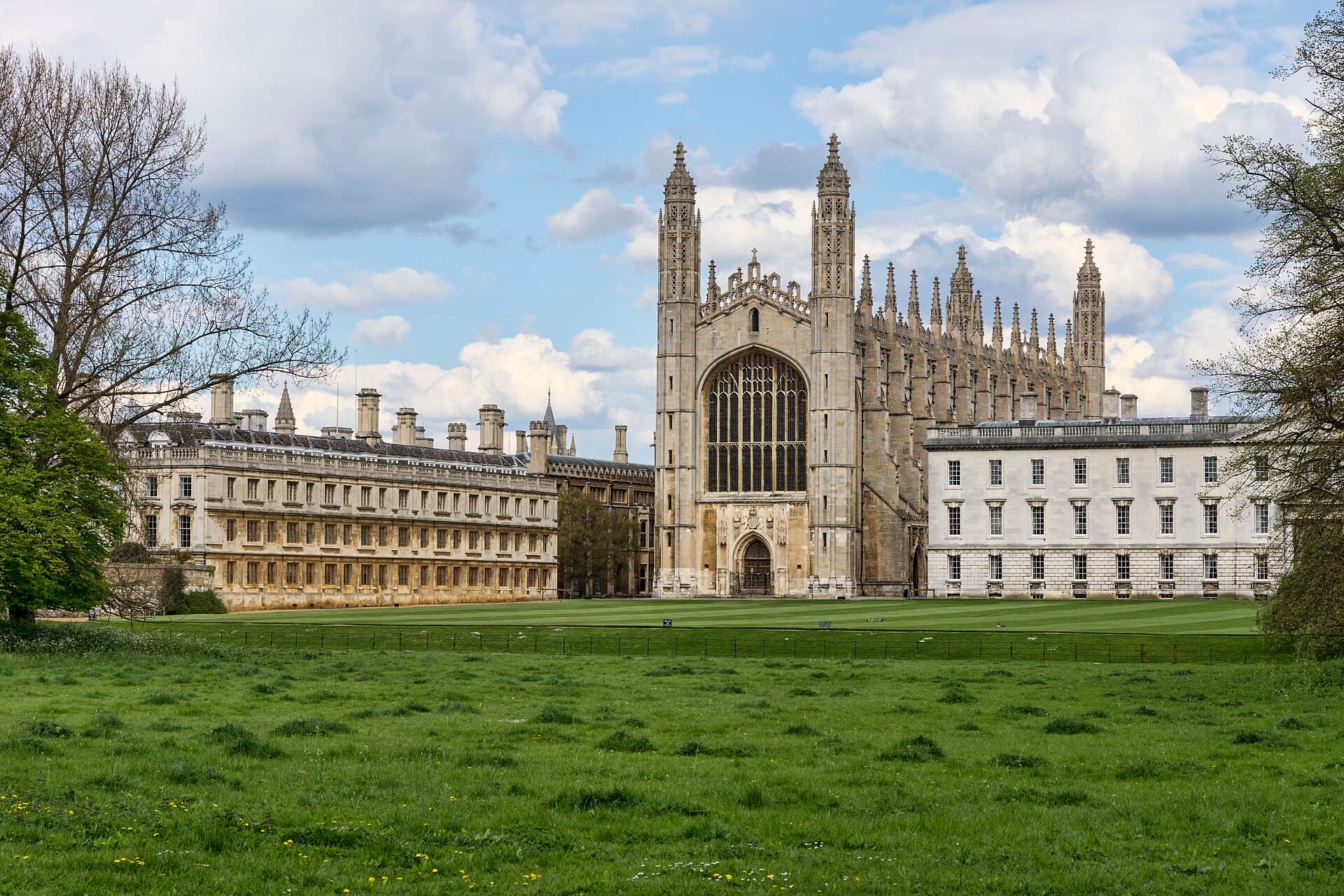
Cambridge punches well above its population of around 130,000. Between the university spin-outs on the Science Park, the freelance academics writing grant proposals from home, the private tutors lining Mill Road, and the flood of tech contractors cycling in from Chesterton and Cherry Hinton, the city has one of the highest concentrations of self-employed, highly educated professionals in the UK. That makes it, quietly, one of the cities where Making Tax Digital for Income Tax will land broadest and soonest.
If you earn qualifying income above £50,000 from self-employment or property, MTD applies to you from 6 April 2026. If your income sits between £30,000 and £50,000, the start date is April 2027. Between £20,000 and £30,000, April 2028. Below £20,000 you are not yet mandated, but the direction of travel is clear. Read our full primer on MTD for sole traders if you want the complete picture before diving into the Cambridge specifics.
- MTD for Income Tax
- HMRC's requirement for sole traders and landlords earning above set thresholds to keep digital records and submit four quarterly updates to HMRC each tax year, alongside the annual tax return.
Who in Cambridge Is Actually Affected, and When
The city's self-employed community is unusually varied. At one end you have the ARM or AstraZeneca contractor billing £120,000 a year through a sole trader arrangement. At the other, the postgraduate who tutors undergraduates in mathematics for £25 an hour and clears roughly £22,000 across a full academic year. Both are likely in scope for MTD, just at different points in the roll-out timetable.
The figure that determines your start date is your gross qualifying income, meaning turnover before any expenses, combining self-employment and property income. A Cambridge landlord who also does freelance data analysis could cross a threshold faster than they expect if they add the two streams together.
£50,000
Gross income for April 2026 start
£30,000
Gross income for April 2027 start
£200
Penalty once points threshold is reached
Here is how the timetable breaks down:
| Gross qualifying income | MTD start date |
|---|---|
| Over £50,000 | 6 April 2026 |
| £30,000 to £50,000 | 6 April 2027 |
| £20,000 to £30,000 | 6 April 2028 |
| Under £20,000 | Not yet mandated |
If you are a Cambridge tech contractor turning over £85,000
You are firmly in the first wave. From April 2026, you will need to file four quarterly updates with HMRC instead of the single January return you may have been submitting for years. Your tax bill itself does not change, but the reporting rhythm does. Use the sole trader tax calculator now to sense-check what you owe across the year so there are no surprises when you file your first quarterly update. If your tax code looks unfamiliar, checking it via HMRC's records or TapTax is worth five minutes of your time.
The Four Quarterly Deadlines You Cannot Afford to Miss
The shift from one deadline a year to four is the biggest behavioural change MTD demands. Each update is cumulative, meaning you report income and expenses from 6 April to the end of the quarter, year-to-date, rather than just the most recent three months. From the 2027 to 2028 tax year, each missed quarterly deadline earns a penalty point, and 4 points bring a £200 penalty.
| Quarter | Period covered | Submission deadline |
|---|---|---|
| Q1 | 6 Apr to 5 Jul | 7 August |
| Q2 | 6 Apr to 5 Oct | 7 November |
| Q3 | 6 Apr to 5 Jan | 7 February |
| Q4 | 6 Apr to 5 Apr | 7 May |
| Final declaration | Full tax year | 31 January |
For a private tutor in Cambridge whose work is intensely seasonal, peaking in May and June ahead of A-levels and GCSEs, Q1 is often the busiest quarter. Having records already organised in a digital app means the 7 August deadline arrives without panic.
The Mistake Many Cambridge Sole Traders Are Already Making
The city's tech-savvy reputation can breed a particular kind of overconfidence: assuming that because you work with spreadsheets or code every day, a spreadsheet tracking your invoices and expenses is good enough for MTD. It is not, at least not without a bridging tool that talks directly to HMRC's systems. HMRC-recognised software is mandatory. A well-formatted Excel file sitting on a laptop does not satisfy the digital-records requirement on its own.
A second common error for Cambridge sole traders who also receive rental income, perhaps from letting out a spare room in Petersfield or subletting a parking space, is forgetting to add that gross property income to their self-employment turnover when working out their qualifying income. The two streams are combined for threshold purposes, and underestimating the total could mean you miss your start date and land a penalty before you have even filed anything.
How the Science Park Contractor and the Mill Road Tutor Both File in One Tap
TapTax is built for exactly the range of self-employed people Cambridge produces. Import a CSV statement from your business bank account (whether that is a dedicated account or the card you use for client expenses) and TapTax brings in the transactions in a couple of minutes. The AI categorisation handles the routine stuff, office supplies, software subscriptions, broadband costs claimed as working-from-home, travel to client sites. You can snap a receipt on your phone outside a café on King's Parade and it is logged instantly.
When a quarterly deadline approaches, TapTax compiles your cumulative year-to-date figures and files the update to HMRC in a single tap. No spreadsheet, no accountant call, no last-minute scramble. There is a free plan with no card required, which is the sensible place to start if you want to test the workflow before your mandatory start date arrives.
“Cambridge is full of brilliant people who are brilliant at everything except filling in forms. MTD does not have to change that.”
Getting Ready Before Your Start Date
The single most useful thing you can do right now is clarify your qualifying income figure for the current tax year. Add gross self-employment turnover to gross property income before any deductions. Compare that total against the thresholds in the table above. If you are above £50,000, you have until April 2026; above £30,000, until April 2027. That may feel distant, but establishing clean digital records now means your first quarterly submission, whenever it falls, will be a non-event rather than a crisis.
If your income sits close to a threshold boundary, it is worth running the numbers carefully. The sole trader tax calculator can help you project forward based on this year's trajectory. And if you have any doubt about your current tax code (1257L is the standard code for most England-based sole traders with a standard personal allowance of £12,570), take a moment to verify your tax code so your Payment on Account estimates are not skewed from the outset.
For a deeper dive into how the quarterly system works in practice, the MTD for sole traders guide walks through every moving part without the HMRC-speak.
People also ask
Does Making Tax Digital apply to sole traders in Cambridge?
Yes, MTD for Income Tax applies to all UK sole traders regardless of location, including those in Cambridge. If your gross qualifying income exceeds £50,000 you must comply from 6 April 2026; the threshold drops to £30,000 in April 2027 and £20,000 in April 2028.
What counts as qualifying income for MTD purposes?
Qualifying income is your gross self-employment turnover plus any gross property income, both measured before expenses. If you are a Cambridge landlord who also freelances, both streams are added together when checking whether you hit a threshold.
Do I need HMRC-recognised software to comply with MTD?
Yes. HMRC mandates the use of compatible software to keep digital records and submit quarterly updates. A standard spreadsheet alone does not meet the requirement unless it is connected via an approved bridging tool. TapTax is HMRC-recognised and files updates directly.
What happens if I miss a quarterly MTD deadline?
HMRC uses a points-based penalty system. Reach 4 points and HMRC charges a £200 penalty, then £200 for each further missed deadline. Further missed deadlines can attract additional fines, so the four annual deadlines need to be treated as seriously as the current January Self Assessment date.
Making Tax Digital for sole traders and landlords in Cambridge
If you are a sole trader or landlord in Cambridge, Making Tax Digital for Income Tax applies to you from 6 April 2026 if your qualifying income is over £50,000, and from 6 April 2027 if it is over £30,000. TapTax keeps your digital records and sends your quarterly updates to HMRC, and it is HMRC-recognised.
Start freeQuarterly expenses under MTD: the £90,000 rule
If your annual business turnover is £90,000 or less, HMRC lets you report a single consolidated expenses total in each Making Tax Digital quarterly update instead of breaking expenses down into itemised categories. Most sole traders in Cambridge are under this threshold, so a quarterly update can be as simple as two figures: total income and total expenses. You still need to keep digital records of each individual expense - the relaxation only changes how much detail goes into the quarterly update itself.
Related guides and calculators
Signing up for Making Tax Digital
MTD guides for nearby areas
Frequently asked questions
Do I need an accountant in Cambridge to comply with Making Tax Digital?
You do not legally need an accountant; you just need HMRC-recognised software that can keep digital records and submit quarterly updates. Many Cambridge sole traders, including tech contractors and private tutors, use apps like TapTax to handle the entire process themselves. TapTax is HMRC-recognised. That said, if your tax affairs are complex, for example a mix of consulting income, property income, and share options, professional advice alongside compliant software is sensible.
I am a private tutor in Cambridge earning around £24,000 a year. When does MTD apply to me?
At a gross income of £24,000 you fall in the £20,000 to £30,000 band, which means MTD will be mandatory for you from 6 April 2028. It is still worth getting your records into compliant digital software before then, so the transition is smooth rather than rushed.
What tax code will I have as a Cambridge sole trader under MTD?
Tax codes for sole traders in England relate to your PAYE income if you have any, not to your self-employment directly. Most England-based sole traders with no unusual adjustments will see 1257L, reflecting the standard personal allowance of £12,570. MTD does not change your tax code, but it does make HMRC's picture of your income more up to date across the year.
Can I use a spreadsheet to meet my MTD obligations?
Not on its own. HMRC requires digital records to be kept and submitted via recognised MTD-compatible software. A spreadsheet can form part of your record-keeping if it is linked to an approved bridging tool that transmits data to HMRC in the correct format, but a standalone spreadsheet with no direct connection does not satisfy the rules.
Does combining rental income with self-employment income affect my MTD start date?
Yes. HMRC adds gross self-employment turnover and gross property income together to calculate your qualifying income for threshold purposes. A Cambridge sole trader earning £35,000 from consultancy and £18,000 gross from renting out a property has qualifying income of £53,000 and is therefore in scope from April 2026, not April 2027.
Sources
Official guidance on GOV.UK.