
Making Tax Digital in
Brighton
From the Lanes to the seafront, Brighton's self-employed community faces Making Tax Digital from April 2026. Here is everything you need to know.
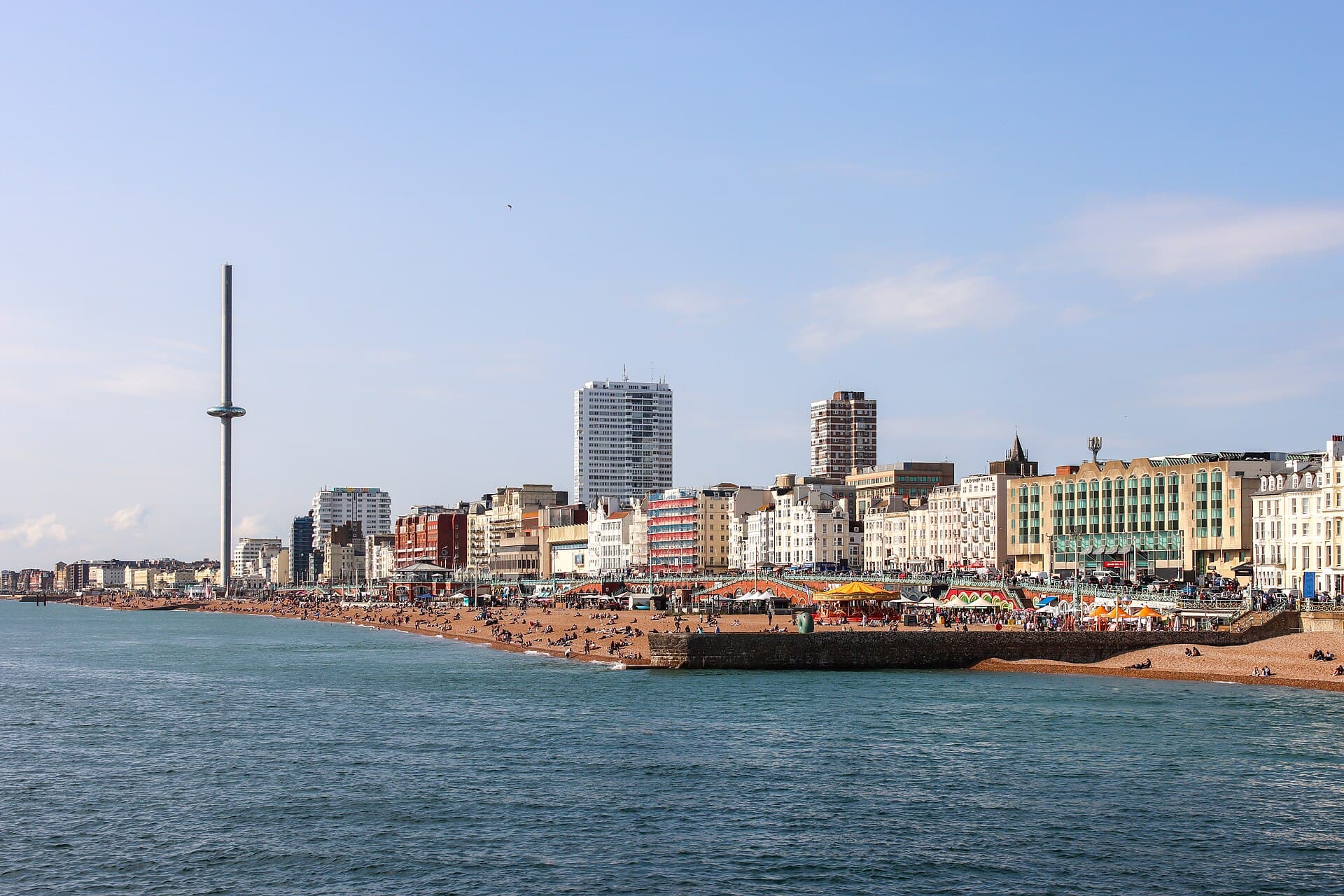
Brighton runs on self-employment in a way that few UK cities quite match. The creative freelancers clustered around the North Laine, the yoga instructors and personal trainers operating out of studios near Seven Dials, the independent food traders working the Saturday market on New Road, the surf and watersports instructors along the seafront in summer: this city has built its identity partly on the idea that you can carve your own professional path. Making Tax Digital for Income Tax (MTD for IT) is coming for all of them, and the first wave lands on 6 April 2026.
- MTD for Income Tax
- HMRC's requirement for sole traders and landlords to keep digital records and submit four cumulative quarterly updates per year through HMRC-recognised software, alongside the annual tax return.
What Brighton's Economy Tells Us About Who MTD Hits First
Brighton and Hove is consistently ranked among the top cities in England for density of self-employed workers. The tech and digital sector (sometimes called Silicon Beach) is part of this, but it is the broader mix that stands out: music producers working from home studios in Kemptown, freelance web designers, mobile hairdressers, tattoo artists, personal chefs and caterers, alternative therapists, and a significant number of people who combine two or three income streams. Many of these people sit in the £30,000 to £60,000 turnover band, which puts a very large number of them directly in the MTD crosshairs between 2026 and 2027.
If you run a creative or hospitality business in Brighton and your gross income (before expenses, before deductions) clears £50,000, you are in the first MTD cohort from April 2026. If your gross turnover is between £30,000 and £50,000, April 2027 is your start date. The £20,000 to £30,000 band follows in April 2028. Under £20,000 gross is not mandated yet, though many traders in that bracket will choose to go digital early simply because the software makes bookkeeping faster.
6 Apr 2026
MTD start date for income over £50,000
£200
Penalty once HMRC points threshold is reached
4 per year
Quarterly updates required under MTD
The Quarterly Deadlines, Laid Out Plainly
The headline change MTD brings is the replacement of one annual Self Assessment deadline (31 January, the date half of Brighton seems to remember in a panic over a flat white on New Year's Day) with four quarterly submissions throughout the year, plus a final declaration by 31 January.
Each update is cumulative, meaning it covers your business finances from the start of the tax year to the end of that quarter, not just the most recent three months. That is an important distinction: you are not filing separate mini-returns, you are updating a running year-to-date picture.
| Quarter | Period Covered | Submission Deadline |
|---|---|---|
| Q1 | 6 April to 5 July | 7 August |
| Q2 | 6 April to 5 October | 7 November |
| Q3 | 6 April to 5 January | 7 February |
| Q4 | 6 April to 5 April | 7 May |
| Final Declaration | Full year sign-off | 31 January |
Miss a deadline and HMRC's points-based penalty system activates. Reach 4 points and HMRC charges a £200 penalty, then £200 for each further missed deadline. Keep missing them and the figure climbs. For a sole trader who already finds tax admin a source of genuine stress, these four touchpoints per year either feel like a burden or, with the right tool, like a manageable quarterly nudge.
The quarterly planner for sole traders can help you map your own submission dates against your cash flow so you are never caught off guard in a busy summer season.
A Real Brighton Scenario: The Freelance Illustrator in Kemptown
If you are a Brighton creative turning over £55,000
Say you are a freelance illustrator based in Kemptown, earning £55,000 in gross commissions across the year from publishers, ad agencies and print clients. After studio costs, software subscriptions, materials and professional development, your actual profit might be £38,000, but MTD cares about gross turnover: £55,000 is well above £50,000, so you are in from April 2026.
Your income tax position: the first £12,570 is covered by the personal allowance (tax code 1257L), the next £37,700 is taxed at 20% basic rate, and the remaining slice above £50,270 is taxed at 40%. You can check your own tax code if you are unsure what HMRC currently holds for you, and use the sole trader tax calculator to model your actual bill once you factor in National Insurance and allowable expenses.
Under MTD, you will need to categorise your income and expenses digitally throughout the year, then submit a Q1 update by 7 August 2026 covering April to July. The key practical shift is that you cannot leave all your bookkeeping until January any more. The receipts from the specialist art supplier on Sydney Street need to go in as you go.
The Mistakes Brighton Sole Traders Are Most Likely to Make
A few patterns come up repeatedly among self-employed people in creative and hospitality-heavy cities like Brighton.
Conflating profit with qualifying income. MTD thresholds are based on gross turnover, not profit. A Brighton DJ who takes £52,000 in booking fees but spends £20,000 on equipment, insurance and travel has £32,000 profit, but their qualifying income for MTD purposes is £52,000. They are in the first cohort from April 2026, regardless of what they clear after costs.
Forgetting rental income stacks on top. Brighton has a significant buy-to-let and short-let market. If you are a freelance photographer earning £28,000 from commissions and also pulling in £10,000 per year from a rented-out room or holiday let, your combined qualifying income is £38,000. That tips you into the April 2027 cohort even though neither income stream alone crosses the threshold.
Assuming the accountant will handle everything. Some will, but you still need to supply digital records. MTD requires the records themselves to be kept digitally in HMRC-recognised software, not just summarised by someone else at year end. Understanding what MTD means for sole traders day to day is worth thirty minutes of your time now rather than a frantic catch-up in March 2026.
How to File From Anywhere in Brighton
TapTax is built for exactly the kind of mobile, on-the-go working life that defines a lot of Brighton self-employment. Import a CSV statement from your business bank account (or your personal account if that is where your business income lands), and TapTax brings in the transactions in a couple of minutes. The AI categorisation handles most of the grunt work: it recognises that the payment to the seafront coffee roaster is a client meeting expense, that the Adobe subscription is a software cost, that the van hire for a pop-up stall is a travel and equipment expense.
When a quarterly deadline approaches, you review the categorised transactions, make any adjustments, and tap to submit directly to HMRC. There is no separate bridging software, no spreadsheet export, no manual re-entry. The free plan requires no card and no commitment, which suits the way a lot of Brighton freelancers prefer to try things: low friction, no lock-in.
Getting Ready Now, Before April 2026
If your gross income is already above £50,000, you have fewer than twelve months from the time of writing. The practical steps are straightforward but they take a little time to set up properly.
First, establish a clean digital record of your income and expenses going forward. Second, make sure you know your current Self Assessment position and whether any outstanding returns or payments are in order. Third, pick your software and connect it to your accounts before the April start date, not on it.
Brighton's self-employed community is resourceful and adaptable: it is part of what makes the city work. MTD is a genuine administrative shift, but it is also a forcing function to get your finances organised in real time rather than retrospectively. For most sole traders here, the quarterly rhythm will quickly become second nature.
People also ask
Do Brighton sole traders have to register for Making Tax Digital?
Yes, if your gross qualifying income (self-employment plus rental income, before expenses) exceeds £50,000, you must comply from 6 April 2026. The £30,000 threshold follows in April 2027 and £20,000 in April 2028. You register through HMRC's MTD service and use compatible software such as TapTax.
Does MTD for Income Tax apply to part-time freelancers in Brighton?
It applies based on gross qualifying income, not hours worked. A part-time graphic designer earning £35,000 in gross fees is in scope from April 2027. The test is always gross turnover, before any expenses are deducted.
Can I use my existing spreadsheets for Making Tax Digital?
Plain spreadsheets are not HMRC-recognised MTD software on their own. You would need a bridging tool or, more practically, switch to a purpose-built app like TapTax that handles digital record-keeping and quarterly submission directly. TapTax is HMRC-recognised.
What happens if I miss a quarterly MTD deadline?
HMRC operates a points-based penalty system. Each missed submission earns a penalty point, and once you reach the threshold for your filing frequency (four times a year under MTD), a £200 financial penalty is issued. Further missed deadlines result in additional penalties.
“Brighton runs on self-starters. MTD just asks those self-starters to share their numbers with HMRC four times a year instead of one. Do it from your phone and it stops being a big deal.”
Making Tax Digital for sole traders and landlords in Brighton
If you are a sole trader or landlord in Brighton, Making Tax Digital for Income Tax applies to you from 6 April 2026 if your qualifying income is over £50,000, and from 6 April 2027 if it is over £30,000. TapTax keeps your digital records and sends your quarterly updates to HMRC, and it is HMRC-recognised.
Start freeQuarterly expenses under MTD: the £90,000 rule
If your annual business turnover is £90,000 or less, HMRC lets you report a single consolidated expenses total in each Making Tax Digital quarterly update instead of breaking expenses down into itemised categories. Most sole traders in Brighton are under this threshold, so a quarterly update can be as simple as two figures: total income and total expenses. You still need to keep digital records of each individual expense - the relaxation only changes how much detail goes into the quarterly update itself.
Related guides and calculators
Signing up for Making Tax Digital
MTD guides for nearby areas
Frequently asked questions
Do I need an accountant in Brighton for Making Tax Digital?
You are not legally required to use an accountant for MTD. HMRC requires you to keep digital records and submit quarterly updates through recognised software, which you can do yourself using an app like TapTax. Some Brighton sole traders with complex affairs or multiple income streams may still find an accountant useful for tax planning, but the mechanical filing is designed to be manageable without one.
I run a holiday let and a freelance business in Brighton. Do both incomes count towards the MTD threshold?
Yes. HMRC adds your gross self-employment income and your gross property income together to reach your qualifying income figure. If your freelance earnings and your holiday let or rental income combined exceed £50,000, you are in scope from April 2026. Neither stream needs to exceed the threshold independently.
What are the income tax rates for Brighton sole traders under Making Tax Digital?
Brighton is in England, so standard rest-of-UK rates apply. The personal allowance is £12,570, the basic rate is 20% up to £50,270, the higher rate is 40% above that, and the additional rate is 45% above £125,140. MTD does not change the tax you owe; it changes how and when you report your income to HMRC.
When exactly do the four quarterly MTD deadlines fall each year?
Q1 covers 6 April to 5 July and is due 7 August. Q2 runs to 5 October, due 7 November. Q3 runs to 5 January, due 7 February. Q4 runs to 5 April, due 7 May. A final declaration, equivalent to signing off the full year, remains due by 31 January, as with current Self Assessment.
Is Making Tax Digital the same as Self Assessment, just more often?
Not exactly. Under MTD you submit four cumulative quarterly updates throughout the year, each covering your finances from 6 April to the end of that quarter, plus a final declaration by 31 January. The quarterly updates are digital data submissions through recognised software, not full tax returns. The final declaration is where you add any additional information and confirm your tax position for the year.
Sources
Official guidance on GOV.UK.