
Making Tax Digital in
Bedford
Bedford's sole traders, from Midland Road market stalls to riverside hospitality businesses, face four quarterly MTD deadlines from April 2026. Here is everything you need.
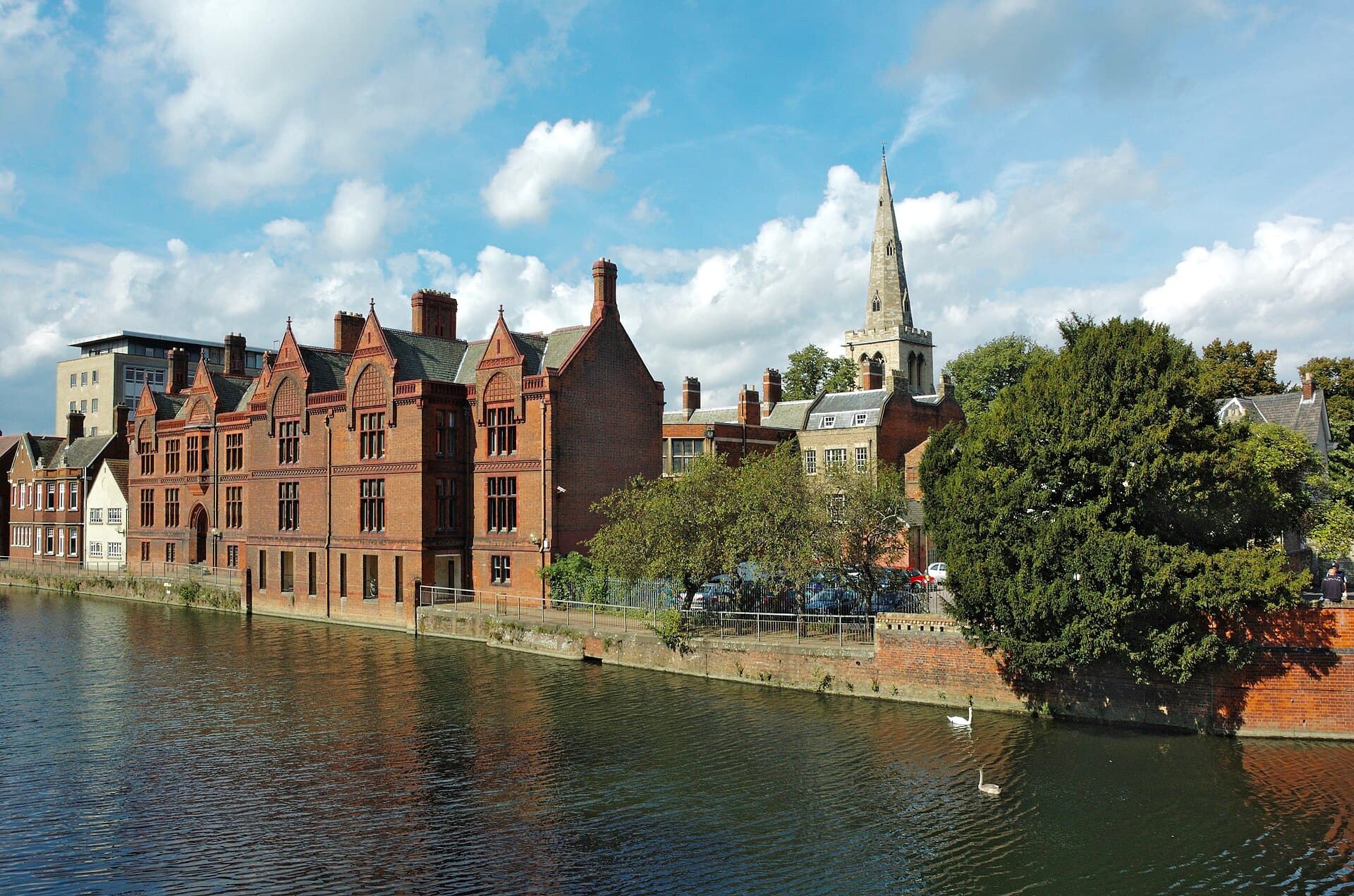
Bedford sits at an interesting crossroads. The A1 and the Midland Main Line run close enough that the town has quietly become a hub for logistics workers, HGV owner-operators, and trades contractors who serve both the Bedford urban area and the wider corridor stretching up toward Milton Keynes and south toward Luton. If you are self-employed in Bedford, whether you fit kitchens in Kempston, run a catering van near the Embankment, or freelance in digital work from a home office in Wootton, Making Tax Digital for Income Tax is a change that will affect how you file your taxes. There is no Bedford-specific exemption; the rules are set by HMRC and apply identically across England.
- MTD for Income Tax
- HMRC's requirement for digital records and four quarterly updates for sole traders and landlords, alongside the annual tax return from April 2026.
Who in Bedford Actually Has to Do This?
The MTD rules hinge on your qualifying income, which HMRC defines as your gross self-employment turnover plus any gross rental income, measured before you deduct a single penny of expenses. If that combined figure crosses a threshold, you are in.
£50,000
Gross income threshold for April 2026 entry
£30,000
Threshold for April 2027 entry
£200
Penalty once points threshold is reached
Bedford has a notably high proportion of self-employed people working in construction, plant hire, road haulage and specialist trades. The town's proximity to the A421 and A1, and its role as a service hub for Bedfordshire's agricultural belt to the north, means owner-operator van drivers, groundworkers and agricultural contractors are common. Many of these tradespeople earn well above £50,000 in gross turnover, even if net profit looks more modest after fuel, insurance and materials. Gross turnover is what counts for MTD, not profit, so it is entirely possible to owe relatively little income tax and still be inside the first wave.
The full timetable looks like this:
| Qualifying income (gross) | MTD start date |
|---|---|
| Over £50,000 | 6 April 2026 |
| £30,000 to £50,000 | 6 April 2027 |
| £20,000 to £30,000 | 6 April 2028 |
| Under £20,000 | Not yet mandated |
If you are unsure where you sit, use the sole trader tax calculator to get a quick sense of your tax position based on your turnover and expenses.
The Four Quarterly Deadlines You Cannot Afford to Forget
MTD replaces the familiar 31 January annual deadline with a quarterly reporting rhythm. Each update is cumulative, meaning you submit year-to-date totals, not just the last three months in isolation. Miss a deadline and you collect a penalty point; stack up enough points and a £200 penalty follows.
| Quarter | Period covered | Filing deadline |
|---|---|---|
| Q1 | 6 April to 5 July | 7 August |
| Q2 | 6 April to 5 October | 7 November |
| Q3 | 6 April to 5 January | 7 February |
| Q4 | 6 April to 5 April | 7 May |
| Final declaration | Full tax year | 31 January |
For a Bedford market trader used to one annual scramble, this is a real cultural shift. The upside is that each update forces you to know roughly where your tax bill stands, quarter by quarter, rather than discovering a nasty surprise in January.
For a detailed walkthrough of exactly how each quarterly submission works, the MTD for sole traders guide covers the mechanics step by step.
A Bedford Scenario: The Owner-Operator Haulier
Darren runs a single-cab tipper truck out of Bromham Road and turns over £64,000 a year
Darren's gross income is well above £50,000, so he enters MTD on 6 April 2026. His tax code on any PAYE work he picks up will typically be something like 1257L, reflecting the standard Personal Allowance of £12,570 under the England and Northern Ireland bands. If you want to double-check your own code is correct, the tax code checker is a fast way to spot any errors before they cost you.
For his self-employed income, Darren needs to keep digital records of every invoice and fuel receipt from day one of the 2026 tax year. By 7 August 2026, he submits Q1 figures covering 6 April to 5 July. He does not need to calculate the exact tax owed at that point; the update is a record of income and expenses, cumulative to date. The final declaration on 31 January 2027 is where he settles up. Under the basic rate, income between £12,570 and £50,270 is taxed at 20%, and anything above that at 40%, so keeping track across the year helps Darren plan cash flow rather than face a large bill in one lump.
What Bedford Traders Tend to Get Wrong
Bedford's Italian community, one of the largest and longest-established in the UK outside London, contributes a significant number of small business owners in hospitality, catering and food retail, many of them operating as sole traders. The same pattern holds for Bedford's South Asian business community along Tavistock Street and the wider town centre. These are often family-run operations where the business owner, the bookkeeper and the delivery driver are the same person, and the idea of logging into software four times a year feels like one more thing on an already impossible list.
The most common error is treating MTD quarterly updates like a mini tax return, and panicking about having perfect numbers. They are not tax returns. They are cumulative digital records of income and expenses, submitted to HMRC via compliant software. You do not need an accountant present to file them. What you do need is a consistent habit of categorising transactions as you go, not in a three-hour panic the night before the deadline.
A second common mistake is forgetting that rental income counts toward the qualifying income threshold. A Bedford sole trader who earns £38,000 from their trade and £14,000 from letting out a flat sits at £52,000 in qualifying income and enters MTD in April 2026, not April 2027.
Filing From Bedford in One Tap
TapTax is built for exactly this kind of business. Import your bank statement by CSV, and the app brings in your transactions in a couple of minutes. Its AI categorisation engine sorts income and expenses into the right buckets. Scan a receipt with your phone camera and the app logs it instantly, useful when you are on a job in Biddenham and cannot face a pile of paper later. When a quarterly deadline approaches, your cumulative figures are already there. You review, confirm, and file directly to HMRC with one tap.
There is a free plan, no card required, so you can get started well before April 2026 and build the quarterly habit while the stakes are low.
Getting Ready Today, Not in March 2026
The worst time to start thinking about MTD compliance is the week before your first quarterly deadline. Bedford's self-employed community, from the independent retailers on Midland Road to the construction contractors working the new housing developments around Wixams, will benefit from getting digital records in order now. Check your qualifying income against the thresholds above. If you are over £50,000, April 2026 is your date. If you are between £30,000 and £50,000, April 2027 is coming faster than it looks.
Set up your MTD-compatible software, run it alongside your current approach for a few months, and by the time the first mandatory deadline arrives, the process will feel entirely routine.
“In a town built on movement and trade, the sole traders who adapt to quarterly digital filing earliest will spend less time worrying about tax and more time on the work that actually pays.”
People also ask
Do Bedford sole traders have to register for Making Tax Digital?
Yes, if your gross qualifying income (self-employment turnover plus rental income, before expenses) exceeds £50,000, you must be compliant from 6 April 2026. The £30,000 threshold follows in April 2027 and £20,000 in April 2028. There is no local opt-out; the rules are set by HMRC and apply across England.
Does rental income from a Bedford property count toward the MTD threshold?
Yes. HMRC counts gross rental income alongside gross self-employment income when calculating whether you have crossed the qualifying income threshold. A Bedford sole trader earning £38,000 from their trade and £14,000 from a rental property has qualifying income of £52,000 and enters MTD in April 2026.
What is the penalty for missing a quarterly MTD deadline?
HMRC uses a points-based system. Reach 4 points and HMRC charges a £200 penalty, then £200 for each further missed deadline. Points can be reset through a sustained period of compliance.
Do I need an accountant to file MTD quarterly updates?
Not necessarily. Quarterly updates under MTD are cumulative digital records of income and expenses, not full tax calculations. HMRC-recognised software such as TapTax can import your bank statements, categorise your transactions automatically, and file directly to HMRC. Many sole traders will manage this without professional help, though an accountant remains valuable for the final declaration and tax planning.
Making Tax Digital for sole traders and landlords in Bedford
If you are a sole trader or landlord in Bedford, Making Tax Digital for Income Tax applies to you from 6 April 2026 if your qualifying income is over £50,000, and from 6 April 2027 if it is over £30,000. TapTax keeps your digital records and sends your quarterly updates to HMRC, and it is HMRC-recognised.
Start freeQuarterly expenses under MTD: the £90,000 rule
If your annual business turnover is £90,000 or less, HMRC lets you report a single consolidated expenses total in each Making Tax Digital quarterly update instead of breaking expenses down into itemised categories. Most sole traders in Bedford are under this threshold, so a quarterly update can be as simple as two figures: total income and total expenses. You still need to keep digital records of each individual expense - the relaxation only changes how much detail goes into the quarterly update itself.
Related guides and calculators
Signing up for Making Tax Digital
MTD guides for nearby areas
Frequently asked questions
Do I need an accountant in Bedford for Making Tax Digital?
You do not need an accountant to file MTD quarterly updates. The updates are cumulative digital records of income and expenses, submitted via HMRC-recognised software, not complex tax calculations. TapTax and similar apps handle the filing directly. TapTax is HMRC-recognised. An accountant can still be valuable for your final declaration and for tax planning, but day-to-day quarterly submissions are well within reach for most Bedford sole traders using the right software.
When does Making Tax Digital start for Bedford sole traders earning between £30,000 and £50,000?
If your gross qualifying income falls between £30,000 and £50,000, your MTD start date is 6 April 2027. Those earning above £50,000 must comply from 6 April 2026. The lower £20,000 to £30,000 band is mandated from April 2028, and income under £20,000 has not yet been given a start date.
What counts as qualifying income for MTD in England?
Qualifying income is your gross self-employment turnover plus gross rental income, measured before any expenses are deducted. In England, this is assessed against the standard UK MTD thresholds. For example, a Bedford contractor with £42,000 in trade income and £10,000 in rental income has £52,000 in qualifying income and enters MTD in April 2026.
How many times a year do I have to file under Making Tax Digital?
Under MTD for Income Tax, you file four quarterly updates per year, each covering a cumulative period from 6 April, plus a final declaration by 31 January. The quarterly deadlines fall on 7 August, 7 November, 7 February and 7 May. That final declaration is your annual tax return, submitted through the same software.
Is my rental income from a Bedford property included in the MTD threshold calculation?
Yes. HMRC adds your gross rental income to your gross self-employment income when working out whether you have crossed the qualifying income threshold. Even if your trade income alone sits below £50,000, a Bedford landlord who also works as a sole trader could easily breach the threshold when both income streams are combined.
Sources
Official guidance on GOV.UK.