
Making Tax Digital in
Bath
Bath's Georgian streets are full of self-employed people. Here is exactly what Making Tax Digital means for sole traders in the city.
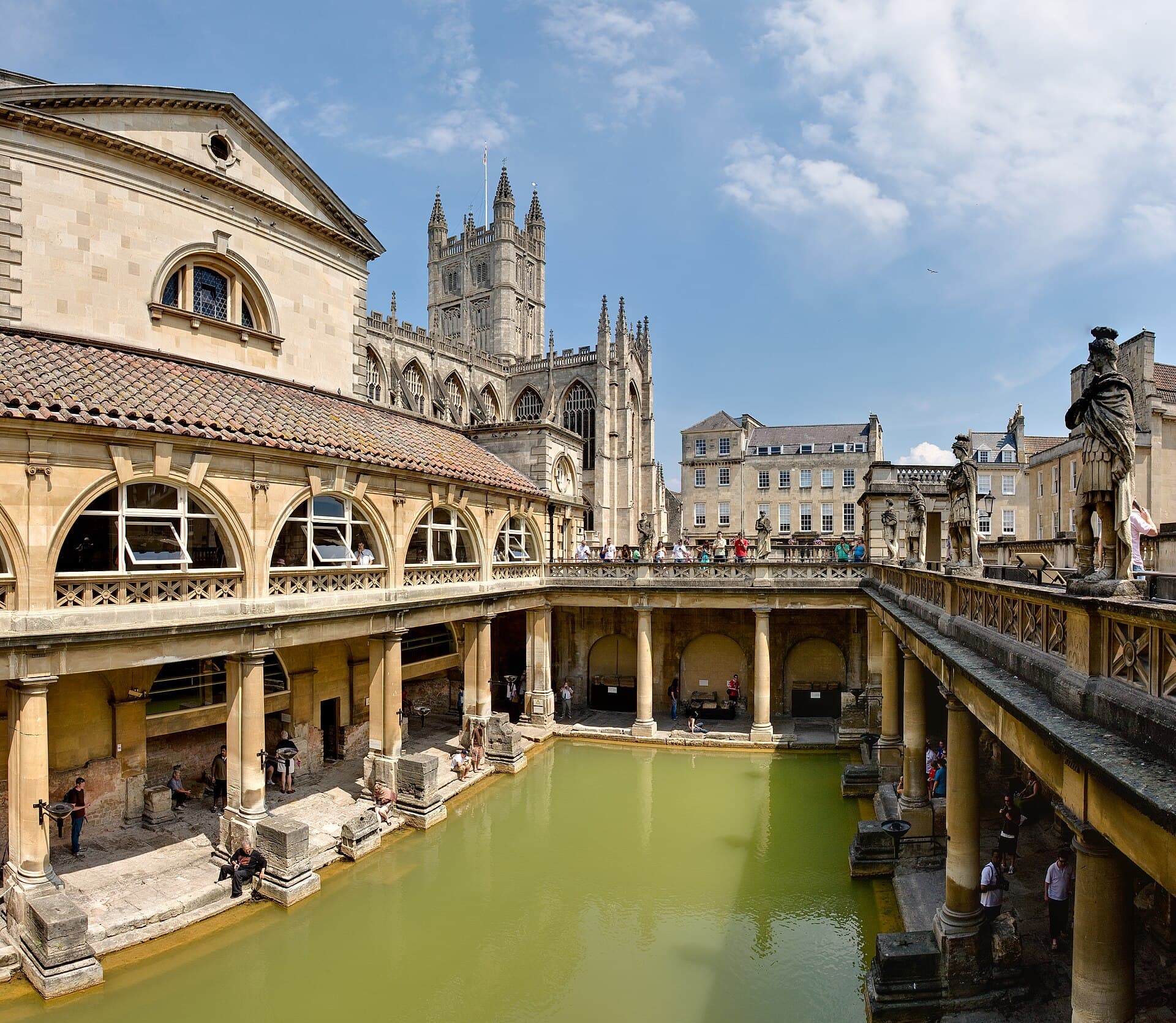
Bath punches well above its weight for a city of 90,000 people. The Roman Baths draw more than a million visitors a year, Milsom Street and the independent boutiques of Walcot Street sustain a dense layer of self-employed retailers and makers, and the University of Bath and Bath Spa University together fuel a busy market for private tutors, freelance designers, and consultants. If you earn your living for yourself in BA1 or BA2, Making Tax Digital for Income Tax is going to change how you report those earnings to HMRC, and the clock is already running.
Who in Bath Actually Has to Do This?
- MTD for Income Tax
- HMRC's requirement for sole traders and landlords to keep digital records and submit four quarterly updates per year, alongside the annual tax return.
The rule is simpler than HMRC's language makes it sound. If your gross qualifying income, meaning your total self-employment turnover plus any rental income, before a single expense is deducted, reaches the threshold, you are in. The table below shows the three waves:
| Gross qualifying income | MTD start date |
|---|---|
| Over £50,000 | 6 April 2026 |
| £30,000 to £50,000 | 6 April 2027 |
| £20,000 to £30,000 | 6 April 2028 |
| Under £20,000 | Not yet mandated |
In a city where short-term holiday lets around the Royal Crescent and Lansdown regularly earn landlords £20,000 or more on top of a self-employed income, a surprising number of people will find their combined qualifying income tips them into an earlier wave than they assumed. If you rent out a flat AND run a freelance photography business, HMRC adds both income streams together before testing against the threshold. Use the sole trader tax calculator to model your combined figure if you are unsure where you land.
£50,000
Gross income threshold for April 2026 wave
£200
Penalty per missed quarterly update once threshold reached
4
Quarterly updates required per tax year
If you are a Bath wedding photographer turning over £54,000
Say you are based in Larkhall, shooting around 30 weddings a year across Somerset and Wiltshire. Your gross turnover is £54,000 before any camera insurance, mileage, or editing software is deducted. You are in the April 2026 wave. That means by 6 April 2026 you need MTD-compatible software in place, digital records of every transaction, and you must file your first quarterly update covering 6 April to 5 July by 7 August 2026. Miss that August deadline and there is no penalty point in the 2026 to 2027 tax year, though the update is still owed. From 2027-28 each missed deadline earns a point, and four points bring a £200 penalty. Knowing this in 2025 gives you a full year to set up the system rather than scrambling in summer 2026.
The Four Quarterly Deadlines, Laid Out Plainly
The biggest practical shift MTD brings is not the software; it is the rhythm. Instead of one January deadline, you have four spread across the year, plus a final declaration in January. Each quarterly update is cumulative, meaning you are reporting your year-to-date income and expenses, not just the most recent three months. One correct, updated set of figures each quarter is all HMRC needs.
| Quarter | Period covered | Filing deadline |
|---|---|---|
| Q1 | 6 Apr to 5 Jul | 7 August |
| Q2 | 6 Apr to 5 Oct | 7 November |
| Q3 | 6 Apr to 5 Jan | 7 February |
| Q4 | 6 Apr to 5 Apr | 7 May |
| Final declaration | Full tax year | 31 January |
For a full walkthrough of how the quarters work and what each update must contain, the MTD for sole traders guide covers the mechanics without the HMRC jargon.
The Mistake Bath's Creative and Hospitality Traders Make Most Often
Bath has a high concentration of sole traders in sectors where income is seasonal and lumpy: spa therapists, tour guides, artisan food producers selling at the farmers' market on Green Park Station, and independent bakers supplying the café trade. These businesses often run mentally on a "wait until January and tot it all up" basis. That habit works fine under Self Assessment. Under MTD it will generate penalty points.
The specific mistake is treating the quarterly update as a "quarterly accounts" exercise, something that requires a full bookkeeping reconciliation before you dare submit. It does not. The update is a digital submission of your running totals; if your bank statements are imported and receipts are categorised as you go, the Q1 update in August should take minutes, not an afternoon. The traders who struggle are those who let three months of paper receipts stack up in a folder and then try to do it all at once. Bath's independent spirit is an asset; the admin habits that come with sole trading without a payroll department are the liability to address.
If you are uncertain whether your current tax code reflects your self-employed income correctly alongside any PAYE work, it is worth a quick check: check your tax code to make sure HMRC is not collecting too much or too little through a parallel employment.
Bath's Property Economy and the Landlord Overlap
Few cities in England have a property market as distinctive as Bath's. The listed Georgian terraces mean landlords often earn premium rents, and many of those landlords also do something else: they are a self-employed architect, a consultant, a complementary therapist. HMRC will add the gross rental income to the gross self-employment turnover when calculating whether you hit the MTD threshold. A sole trader turning over £28,000 as a massage therapist who also collects £15,000 in rent from a Bathwick flat has £43,000 of qualifying income. That puts them in the April 2027 wave, not safely below the threshold as they might assume. If that sounds like your situation, work through the numbers now with the sole trader tax calculator before HMRC writes to you.
Filing from Bath in One Tap
TapTax is built for exactly the kind of sole trader Bath has in abundance: someone running a real business, working long days, and deeply uninterested in spending Saturday evenings doing bookkeeping. The app imports your bank statement by CSV and brings in your transactions in a couple of minutes. The AI categorises them, you confirm with a tap, and when the quarterly deadline approaches you review a summary and file directly to HMRC. There is no desktop required, no accountancy jargon to navigate, and no card needed to get started on the free plan.
For a wedding photographer driving between venues in Somerset, a tour guide working Thermae Bath Spa bookings, or a freelance copywriter taking calls from a Pulteney Bridge coffee shop, the idea of MTD compliance being a five-minute quarterly task rather than a January crisis is not a sales pitch. It is just what the technology makes possible.
“Bath's sole traders built businesses around craft, creativity, and tourism. MTD should take five minutes a quarter, not a whole January weekend.”
Getting Ready Before April 2026
The steps are the same whether you are in the 2026 wave or the 2028 wave, just with different amounts of runway.
- Calculate your gross qualifying income (self-employment turnover plus rental income, before expenses).
- Confirm which wave applies to you using the table above.
- Sign up for an HMRC-recognised MTD software product before your wave start date.
- Import your bank statements and start categorising transactions digitally from day one of the new tax year.
- Set four calendar reminders for the quarterly deadlines.
The sooner you start, the less disruptive the transition. Sole traders who wait until March 2026 to sign up for software will face a scramble; those who set it up in autumn 2025 will barely notice the change.
People also ask
Is Making Tax Digital compulsory for sole traders in Bath?
Yes, if your gross qualifying income exceeds the relevant threshold. Bath sole traders earning over £50,000 must comply from 6 April 2026; those earning £30,000 to £50,000 from April 2027; and £20,000 to £30,000 from April 2028. Income under £20,000 is not yet mandated.
Does rental income from a Bath property count towards the MTD threshold?
Yes. HMRC combines gross self-employment turnover and gross property rental income to calculate your qualifying income. A Bath landlord who also runs a self-employed trade should add both figures together before checking which wave applies to them.
What are the quarterly MTD deadlines I need to know?
The four deadlines fall on 7 August, 7 November, 7 February, and 7 May each year. Each update is cumulative and covers the full tax year to that point, not just the most recent quarter. A final declaration is also due by 31 January.
What happens if I miss a quarterly MTD update?
HMRC operates a points-based penalty system. Each missed deadline adds a penalty point to your record. Reach 4 points and HMRC charges a £200 penalty, then £200 for each further missed deadline. Points can expire if you maintain a clean record, but it is far simpler to avoid accumulating them.
Making Tax Digital for sole traders and landlords in Bath
If you are a sole trader or landlord in Bath, Making Tax Digital for Income Tax applies to you from 6 April 2026 if your qualifying income is over £50,000, and from 6 April 2027 if it is over £30,000. TapTax keeps your digital records and sends your quarterly updates to HMRC, and it is HMRC-recognised.
Start freeQuarterly expenses under MTD: the £90,000 rule
If your annual business turnover is £90,000 or less, HMRC lets you report a single consolidated expenses total in each Making Tax Digital quarterly update instead of breaking expenses down into itemised categories. Most sole traders in Bath are under this threshold, so a quarterly update can be as simple as two figures: total income and total expenses. You still need to keep digital records of each individual expense - the relaxation only changes how much detail goes into the quarterly update itself.
Related guides and calculators
Signing up for Making Tax Digital
MTD guides for nearby areas
Frequently asked questions
Do I need an accountant in Bath to comply with Making Tax Digital?
You do not need an accountant, but you do need HMRC-recognised MTD-compatible software. Many Bath sole traders are managing MTD themselves using mobile apps that import their bank statements and file quarterly updates directly to HMRC. An accountant can add value for complex tax situations, but the software itself handles the filing obligation.
I am a Bath landlord and a self-employed sole trader. How does MTD apply to me?
HMRC adds your gross rental income to your gross self-employment turnover to calculate your qualifying income. If the combined total exceeds £50,000 you must comply from April 2026; above £30,000 from April 2027. You will need to report both income streams through MTD-compatible software, though a single software product can handle both.
What is the penalty for missing an MTD quarterly deadline?
HMRC uses a points-based system. Each missed quarterly filing adds one penalty point. Once you reach the points threshold for your filing frequency, a £200 penalty is charged for every subsequent missed submission. Points can be wiped after a sustained period of compliance, but avoiding them entirely is far easier.
When does Making Tax Digital start for sole traders earning between £20,000 and £30,000?
The April 2028 wave covers sole traders and landlords with qualifying income between £20,000 and £30,000. Sole traders earning under £20,000 have no mandated start date yet. HMRC has indicated it will set a date in due course, so it is worth monitoring even if you are currently below that level.
Does MTD for Income Tax change how much tax I pay in Bath?
No. MTD changes how and when you report your income to HMRC, not the amount of tax you owe. Your liability is still calculated on your net profit using the standard England income tax bands: 20% basic rate, 40% higher rate above £50,270, and 45% additional rate above £125,140, after your £12,570 personal allowance.
Sources
Official guidance on GOV.UK.