
On this page8 sections
Returning from maternity leave should feel like a fresh start. Instead, for thousands of women across the UK, it quietly triggers a tax code mess that costs real money every single month.
Your tax code is HMRC's instruction to your employer about how much income tax to deduct. When you go on maternity leave, your income drops sharply, your employment status shifts in subtle ways, and any benefits-in-kind you receive may change. When you return, HMRC does not automatically recalibrate everything. It relies on information that may be months out of date, assumptions baked in at the start of the tax year, and a payroll system that often cannot keep pace with the reality of a staggered return. The result is a tax code that may be quietly overtaxing you from your very first payslip back.
- Tax Code
- A combination of numbers and letters that tells your employer how much of your income is tax-free before deducting income tax under PAYE. The most common is 1257L, reflecting the standard personal allowance of £12,570 for 2024/25. Letters like W1 or M1 signal emergency or non-cumulative codes that may mean you overpay tax.
Why Maternity Leave Breaks Your Tax Code
The UK tax year runs 6 April to 5 April. HMRC and your employer track your tax cumulatively across the year, meaning every payslip adjusts for what has already been taxed. Maternity leave disrupts this in several specific ways that most returning employees do not know to look for.
Your income dropped significantly during leave. Statutory Maternity Pay (SMP) is paid at 90% of your average weekly earnings for the first six weeks, then at the flat rate of £184.03 per week (2024/25) for up to 33 weeks. If you earn £40,000 a year, your gross pay falls from roughly £3,333 per month to around £800 per month for most of your leave. That is a dramatic reduction in taxable income. HMRC's systems may have adjusted your tax code during that period, and when you return to full pay, the recalibration does not always happen cleanly.
Your employer may have applied a W1 or M1 code. These are non-cumulative, or "week 1/month 1", codes. Instead of calculating your tax based on everything you have earned since 6 April, they treat each pay period in isolation. This sounds neutral but is frequently disadvantageous: if you underpaid tax during a low-income period, a W1/M1 code can overcorrect aggressively when you return to full salary.
Benefits-in-kind may have changed. If you received a company car, private medical insurance, or childcare vouchers before your leave, those benefits affect your tax code via a coding adjustment. During maternity leave, some of those benefits may have been paused, reduced, or altered. HMRC may not have been told, or may have been told the wrong thing. When you return, the old coding adjustment may still be in place, which could mean your personal allowance is being unnecessarily reduced.
Salary sacrifice schemes need resetting. Many employers offer salary sacrifice arrangements for childcare (legacy schemes closed to new entrants in October 2018, but existing users are still enrolled), cycle to work, or pension contributions. Salary sacrifice reduces your pensionable and taxable pay. When you return from maternity leave, particularly if you are returning part-time or on amended hours, these schemes may need updating. If your employer notifies HMRC of a changed salary without updating the sacrifice amount, your tax code can be set against the wrong gross figure.
1 in 4
employees have the wrong tax code at any given time, according to HMRC's own estimates
£184.03
weekly flat-rate Statutory Maternity Pay in 2024/25, down from typical full salaries
£600+
estimated average annual overpayment for someone on a wrong emergency code at £40,000 salary
The Specific Codes to Watch For

When you return from maternity leave, look at your first payslip immediately. The tax code should be printed clearly. Here is what different codes mean for your situation.
1257L is what you want. It reflects the full personal allowance of £12,570 with no unexpected deductions or additions. If you see this, you are likely on a standard code, though it still may not account for benefit-in-kind adjustments correctly.
BR means Basic Rate. Every pound you earn is taxed at 20% with no personal allowance applied at all. This is sometimes applied to a second job, but it should never appear on your primary employment income. If you see BR on your main job after returning from maternity leave, you are being overtaxed immediately.
0T is similar to BR but covers all rate bands, meaning you lose your entire personal allowance. HMRC sometimes applies this when they have no information about your circumstances, which can happen if your employer files a late or incomplete return during your leave period.
W1 or M1 appended to your code (for example, 1257L W1) signals a non-cumulative code. This is sometimes applied intentionally during transitions, but it can cause significant overpayment if your cumulative position for the tax year means you have actually underpaid less than expected.
A reduced number before the letter, such as 743L or 500L, means your personal allowance has been reduced. This could reflect a genuine benefit-in-kind adjustment, but it could also be outdated information from before your leave. Check what is causing the reduction by logging into your HMRC Personal Tax Account.
What to Do in Your First Week Back
This is where most people lose money: they assume someone else is handling it. Your employer handles payroll, but they act on the code HMRC issues. HMRC issues codes based on the information it holds. If that information is stale or wrong, nobody flags it; the machine just deducts.
Step one: check your tax code before your first payslip arrives. You do not need to wait. You can check your tax code free at /check-my-tax-code right now and see exactly what code HMRC is planning to apply. If it looks wrong, you can challenge it before a single incorrect deduction is made.
Step two: log into your HMRC Personal Tax Account at gov.uk. This shows a breakdown of why your tax code is what it is. Look for any deductions labelled as benefits-in-kind or company car adjustments that may no longer apply. Look for any employment income figures that are based on your pre-leave salary, your SMP period, or an estimated annual figure that does not reflect your new contracted hours if you are returning part-time.
Step three: notify HMRC of any changes to your employment terms. If you are returning at reduced hours, on a new salary, or with amended benefits, HMRC needs to know. You can update your details through your Personal Tax Account or by calling the HMRC income tax helpline on 0300 200 3300. Your employer's payroll department should also submit an updated P46 or starter declaration if your details have changed materially.
Step four: check your childcare and pension arrangements. If you are now enrolling in Tax-Free Childcare (the government scheme that replaced childcare vouchers for new claimants) rather than a salary sacrifice scheme, that has no direct impact on your tax code. But if you are adjusting pension contributions, particularly through salary sacrifice, make sure your employer updates their payroll before the first submission.
The Part-Time Return: A Specific Risk

Returning part-time is one of the highest-risk scenarios for a wrong tax code, and it affects a significant proportion of mothers returning from maternity leave. According to the Equality and Human Rights Commission, around 40% of mothers change their working patterns after having a child, with many moving to part-time or flexible arrangements.
Consider this scenario. Sarah earns £38,000 a year as a marketing manager. She takes 9 months of maternity leave, the last 3 of which are unpaid. She returns 3 days a week on a pro-rata salary of £22,800. HMRC's system, however, still has her registered at a £38,000 annual salary because her employer's payroll team has not yet updated the P11D or employment income estimate. Her tax code is calculated against the wrong income figure. She is also still showing a company car benefit that was suspended during her leave. The result is a tax code that under-allocates her personal allowance by nearly £3,000, costing her approximately £600 in excess tax deductions in the first six months.
None of this is illegal. It is just the automated system doing what it does when it does not have accurate information. And it will not fix itself.
People also ask
Will I get an emergency tax code when I return from maternity leave?
Not always, but it is a real risk. If your employer files an updated payroll submission without the correct P45 or starter checklist information, HMRC may default to an emergency code such as 1257L W1 or 0T. Check your tax code as soon as you have a return date confirmed, ideally before your first payslip.
Can I reclaim tax overpaid during or after maternity leave?
Yes. If you overpaid income tax because of a wrong tax code, HMRC will usually issue a P800 tax calculation at the end of the tax year and refund the difference automatically. However, you do not have to wait: you can contact HMRC directly or use your Personal Tax Account to request a review and get a faster correction.
Does returning to work part-time affect my tax code?
Your tax code itself (the number) is based on your personal allowance and any adjustments, not your hours. However, your pro-rata salary affects the income figure HMRC uses to calculate benefit deductions and check whether your allowances are sufficient. If your employer updates your contracted salary correctly with HMRC, your code should reflect your new earnings. If they do not, you may end up with a code calibrated against your old full-time salary.
What if I had childcare vouchers before maternity leave and am now switching to Tax-Free Childcare?
Childcare vouchers under the legacy salary sacrifice scheme reduced your taxable pay, which affected your tax code indirectly. Tax-Free Childcare is a separate government top-up account and does not go through payroll, so switching has no direct tax code implication. However, ensure your employer closes the salary sacrifice element cleanly in their payroll to avoid phantom deductions continuing.
HMRC's End-of-Year Safety Net (And Why It Is Not Enough)
HMRC does conduct an annual reconciliation after each tax year ends. If you have overpaid, they issue a P800 letter and either send a cheque or apply a credit to the following year. If you have underpaid, they issue a Simple Assessment asking you to pay the difference.
This sounds reassuring. It is not sufficient. If you return from maternity leave in, say, October and your tax code is wrong from that point, you may overpay for five months before the tax year closes in April. On a salary of £30,000, a wrong code that removes your personal allowance entirely costs roughly £210 per month in excess deductions. That is over £1,000 sitting with HMRC, interest-free, until the following summer when the P800 eventually arrives.
You can also run your own numbers. The tax overpayment calculator gives you a sense of how much a wrong code costs over time, which is often the most persuasive argument for acting immediately rather than waiting for the annual reconciliation to sort it out.
For anyone juggling a new child, reduced income, and the administrative demands of returning to work, the idea of contacting HMRC proactively feels like one more task. But a single phone call or Personal Tax Account update, taking perhaps 20 minutes, can recover hundreds of pounds and prevent the error compounding month after month.
If You Also Have Other Income Sources
Some returning mothers also have side income, rental income, or a second employment. If that applies to you, your tax code situation is more complex. HMRC allocates your personal allowance to one income source, usually your main employer, and taxes additional income at the basic or higher rate from the first pound. If the allocation has shifted during your maternity leave, because your SMP was lower than your side income, the system may have rearranged how your allowances are distributed.
This is covered in more depth in Self Employed and PAYE: Why Your Tax Code Is Probably Wrong, but the key action is the same: check every income source listed in your Personal Tax Account and confirm that your personal allowance is being applied to the right one.
If you receive Child Benefit and your household income exceeds £60,000, a separate issue applies. The High Income Child Benefit Charge may also interact with your tax code in ways worth reviewing. See High Income Child Benefit Charge: Is Your Tax Code Wrong? for the detail.
One Concrete Action You Can Take Today
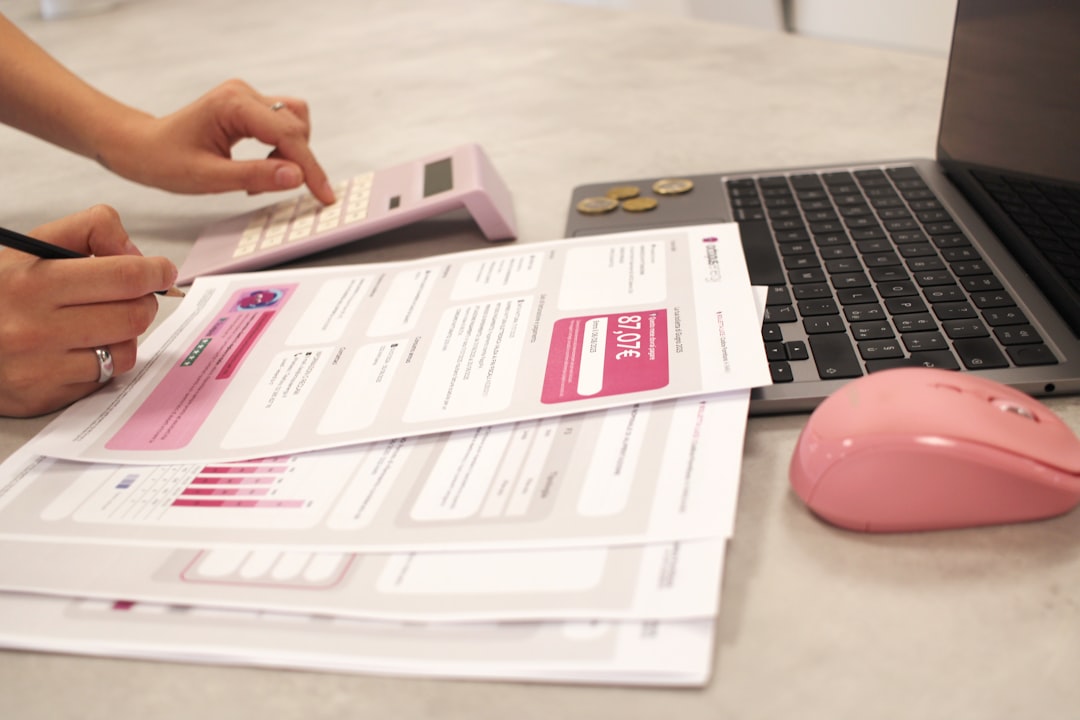
You do not need to understand every nuance of HMRC's coding system to protect yourself. You need to check your code, understand what it means, and flag anything that looks wrong before the first wrong deduction is made.
Check your tax code free at /check-my-tax-code and compare what you see against your last pre-leave payslip. If the number has changed, find out why. If you see letters like BR, 0T, or W1/M1, treat them as urgent rather than something to query later.
Returning from maternity leave is already a significant transition. A wrong tax code should not be the unwelcome bonus waiting for you on your first payslip back.
File your MTD quarterly updates in minutes
TapTax imports your bank statements, categorises expenses automatically, and submits to HMRC with a tap. Free plan, no card required.
Start freeFrequently asked questions
How do I check my tax code before returning from maternity leave?
Log into your HMRC Personal Tax Account at gov.uk using your Government Gateway credentials. Your current tax code is displayed under the PAYE section, along with a breakdown of any adjustments. You can also use TapTax's free tax code checker at taptax.co.uk/check-my-tax-code to get a quick read on whether your code looks right.
Does HMRC automatically update my tax code when I return from maternity leave?
No. HMRC updates your tax code based on information submitted by your employer and any changes you report yourself. If your employer does not file an updated payroll submission with your new salary or adjusted benefits, your code may remain based on outdated figures. You should proactively check and, if necessary, contact HMRC to correct it.
Can I get a tax refund if I was on the wrong tax code during maternity leave?
Yes. HMRC conducts an annual reconciliation after 5 April each year and issues a P800 if you have overpaid. However, you do not have to wait until then. If you identify an overpayment mid-year due to a wrong tax code, you can contact HMRC directly on 0300 200 3300 or through your Personal Tax Account to request an in-year adjustment and refund.
I'm returning part-time after maternity leave. Will HMRC know my new salary?
Only if your employer updates your payroll records and submits the revised information to HMRC via Real Time Information (RTI). HMRC does not automatically know you have changed to part-time hours. If the update is delayed, your tax code may still be calibrated against your previous full-time salary, potentially leading to incorrect benefit-in-kind adjustments.
Does shared parental leave cause the same tax code problems as maternity leave?
Yes. The same risks apply to anyone taking Shared Parental Leave (ShPL), adoption leave, or paternity leave. Any period of substantially reduced income followed by a return to normal pay can cause the same cumulative tax miscalculations and coding errors. Check your tax code on return regardless of which leave type you took.
Does Your Tax Code Change on Maternity Leave?
Your tax code does not automatically change when you go on maternity leave, but your tax position often shifts beneath the surface. Statutory Maternity Pay is taxable income, and because it is substantially lower than your normal salary, HMRC's estimate of your annual earnings can become misaligned with reality. This mismatch is the root of most tax code problems: HMRC may continue applying a code calibrated to your pre-leave pay, leading to under- or over-collection of tax that only becomes apparent when you return to full salary.